Fish oil is one of the best-studied supplements there is, and one of the easiest to buy badly. The front of the bottle shouts "1,200 mg fish oil," but that number is mostly filler oil. What actually matters is the EPA and DHA hiding on the back label, what form they are in, and whether the oil has been tested for purity and freshness, because fish oil goes rancid faster than almost anything else on your shelf.
We ranked the most reputable omega-3 supplements on those exact points: total EPA plus DHA, absorbable triglyceride form, third-party testing, and value per gram of actual omega-3. The short story: for most people, Nordic Naturals Ultimate Omega is the best all-rounder. From there, every pick wins a job, from the most potent single pill to the best vegan and budget options. For the deeper background on omega-3s and how to spot a rancid oil, see our ultimate guide to omega-3 oils.
The short version
- Best overall: Nordic Naturals Ultimate Omega. Well-absorbed triglyceride form, 1,280 mg omega-3, mild taste, tested.
- Best high-potency: WHC UnoCardio 1000, the most EPA and DHA in a single softgel, plus vitamin D3.
- Best budget: Nature Made Fish Oil, USP Verified at the lowest cost per gram of EPA+DHA.
- The number that matters is EPA + DHA per serving, not the big "fish oil" figure on the front. Aim for a triglyceride-form, third-party-tested oil.
How we ranked them
Fish oil quality comes down to a few measurable things, so we weighed five, in this order:
- EPA and DHA potency. The actual omega-3 dose per serving, not the headline "fish oil" number. Most benefits need a real dose, so under-dosed oils that look cheap often cost more per gram.
- Form. Triglyceride and re-esterified triglyceride (rTG) oils absorb and resist oxidation better than the cheaper ethyl ester (EE) form.
- Third-party testing. Independent purity and oxidation testing (IFOS, USP, NSF), because fish oil goes rancid and can carry contaminants.
- Source and sustainability. Small fish like anchovy and sardine, or algae for vegans, plus sustainability marks.
- Value. Price per serving and, more importantly, per gram of EPA+DHA.
Scores are our editorial assessment on a five-point scale, not customer ratings.
The 7 best fish oil & omega-3 supplements
Tap any product to jump straight to its full review.
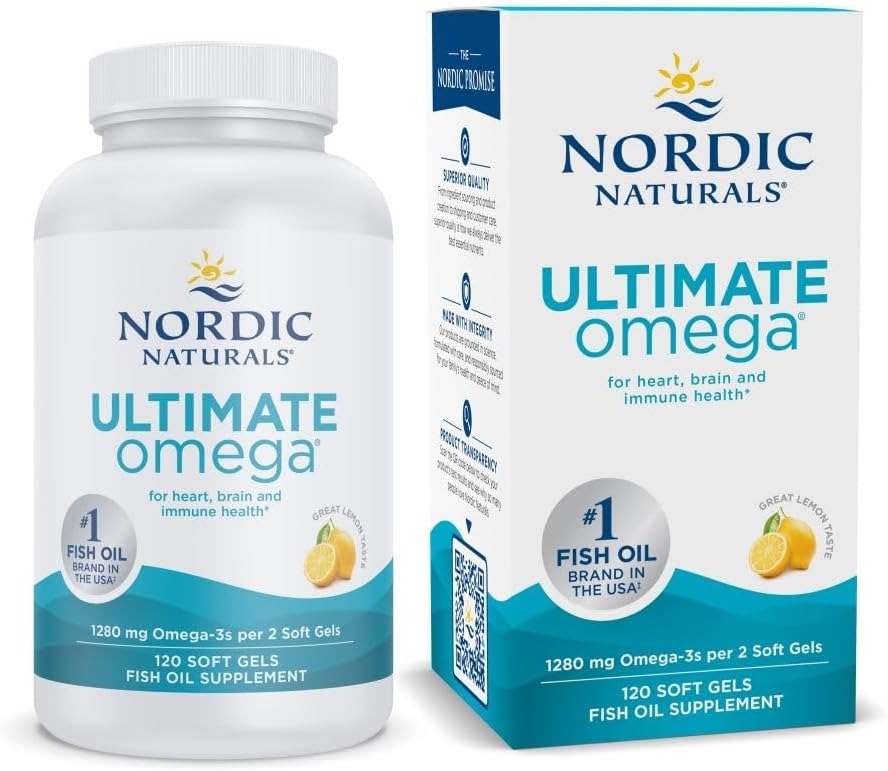
Nordic Naturals Ultimate Omega
Serving: 2 softgels · Source: wild anchovy & sardine · Lemon
The reliable default. Ultimate Omega delivers a strong 1,280 mg of omega-3 (650 EPA, 450 DHA) in a well-absorbed triglyceride form, with a mild lemon taste that avoids fishy burps and published per-batch IFOS purity reports. It is not the cheapest, and it takes two softgels, but for an all-round combination of potency, absorption, taste, and transparency, it is the one most people should buy first.
- Strong 1,280 mg omega-3 per serving
- Well-absorbed triglyceride (rTG) form
- Mild lemon taste, minimal fishy burp
- Per-batch IFOS purity reports
- Pricier than commodity oils
- Two softgels per serving
- No standing IFOS-certified logo on the label
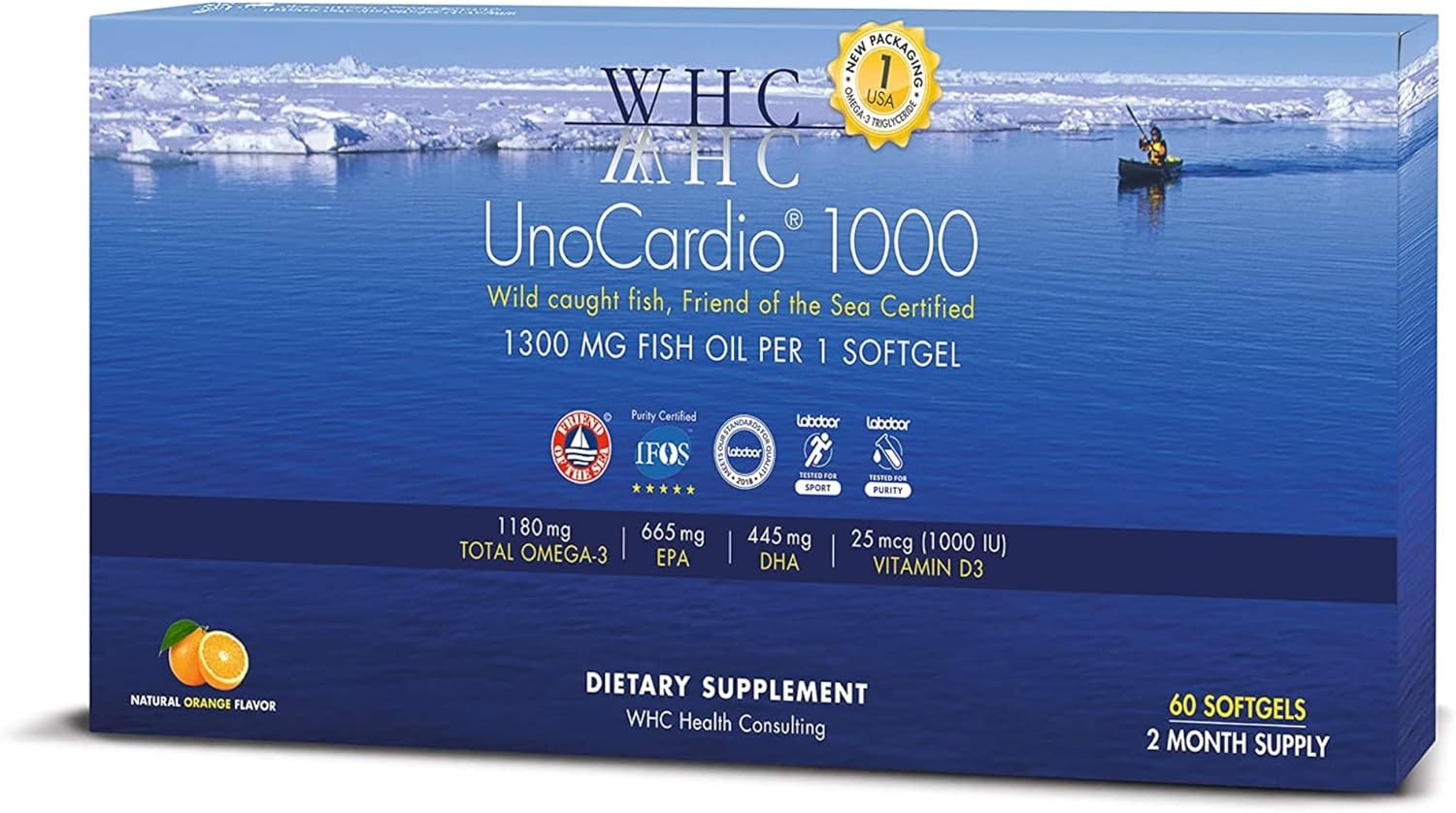
WHC UnoCardio 1000
Serving: 1 softgel · Bonus: 1,000 IU vitamin D3
The most omega-3 you can get from a single capsule. UnoCardio packs about 1,135 mg of EPA+DHA into one softgel, in premium rTG form, with verifiable IFOS certification and a bonus 1,000 IU of vitamin D3. If you want a real dose without swallowing two or three pills, this is the standout. The catches: it is the most expensive per dose here, and US stock can be spotty.
- Most EPA+DHA in a single softgel
- Premium rTG triglyceride form
- Verifiable IFOS certification
- Includes 1,000 IU vitamin D3
- Most expensive per dose
- US availability can be inconsistent
- Heat-sensitive, store cool
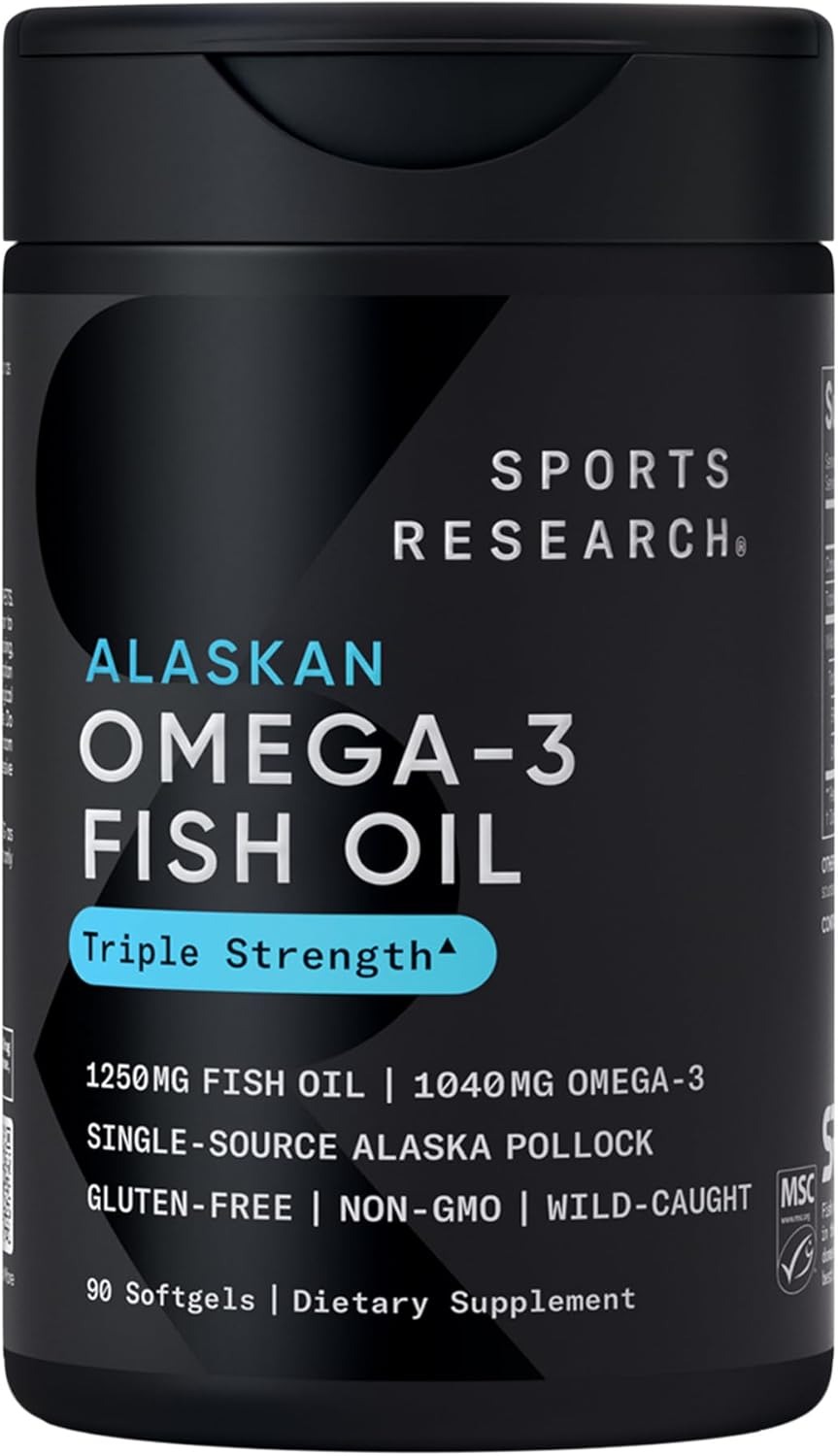
Sports Research Omega-3
Serving: 1 softgel · Source: wild Alaska pollock
The value sweet spot. You get a genuinely IFOS-certified, triglyceride-form oil with a high 690 mg of EPA from a single softgel, from sustainably sourced (MSC) Alaska pollock, at roughly a third the per-serving cost of the premium picks. It is EPA-dominant with modest DHA, so it is less ideal if you specifically want more DHA, but for certified quality per dollar it is the best buy here.
- IFOS certified at a low price per serving
- High 690 mg EPA in one softgel
- Triglyceride form, MSC sustainable
- Non-GMO Project Verified
- Modest DHA (260 mg)
- EPA-forward balance won't suit everyone
- Single-flavor, no liquid option
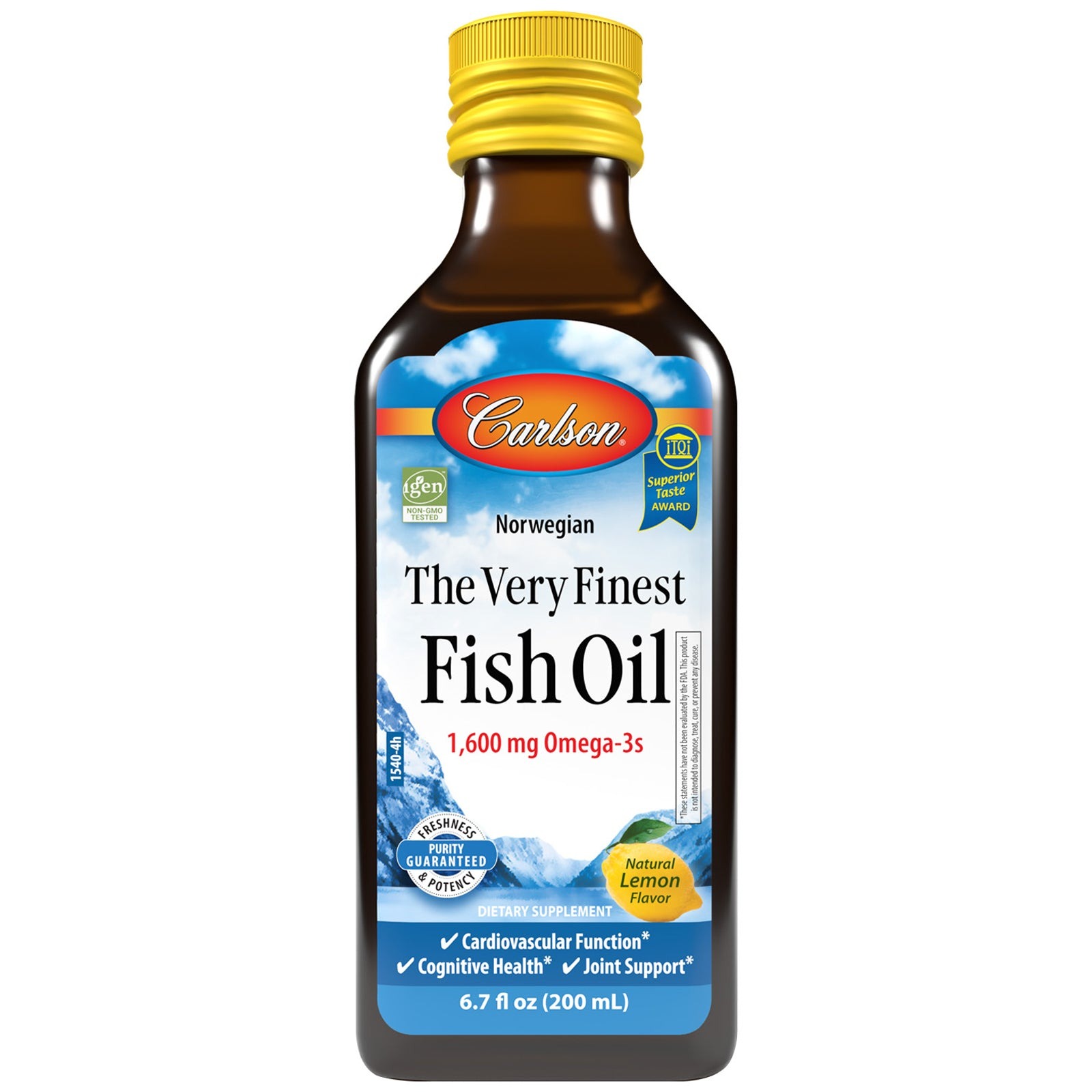
Carlson The Very Finest Fish Oil
Serving: 1 teaspoon · Flavor: Natural Lemon
The best pick if you would rather not swallow pills. One teaspoon delivers a big 1,600 mg of omega-3 (800 EPA, 500 DHA) in natural triglyceride form, and the lemon flavor is genuinely pleasant, so it is easy to scale your dose up or down. The trade-off is inherent to liquids: it must be refrigerated and used within a few weeks of opening before it oxidizes, and it is not travel-friendly.
- Very high 1,600 mg omega-3 per teaspoon
- Natural triglyceride form, pleasant lemon
- Easy to adjust the dose
- Great for people who dislike pills
- Must refrigerate and use quickly once opened
- Not travel-friendly
- Measuring is less precise than capsules
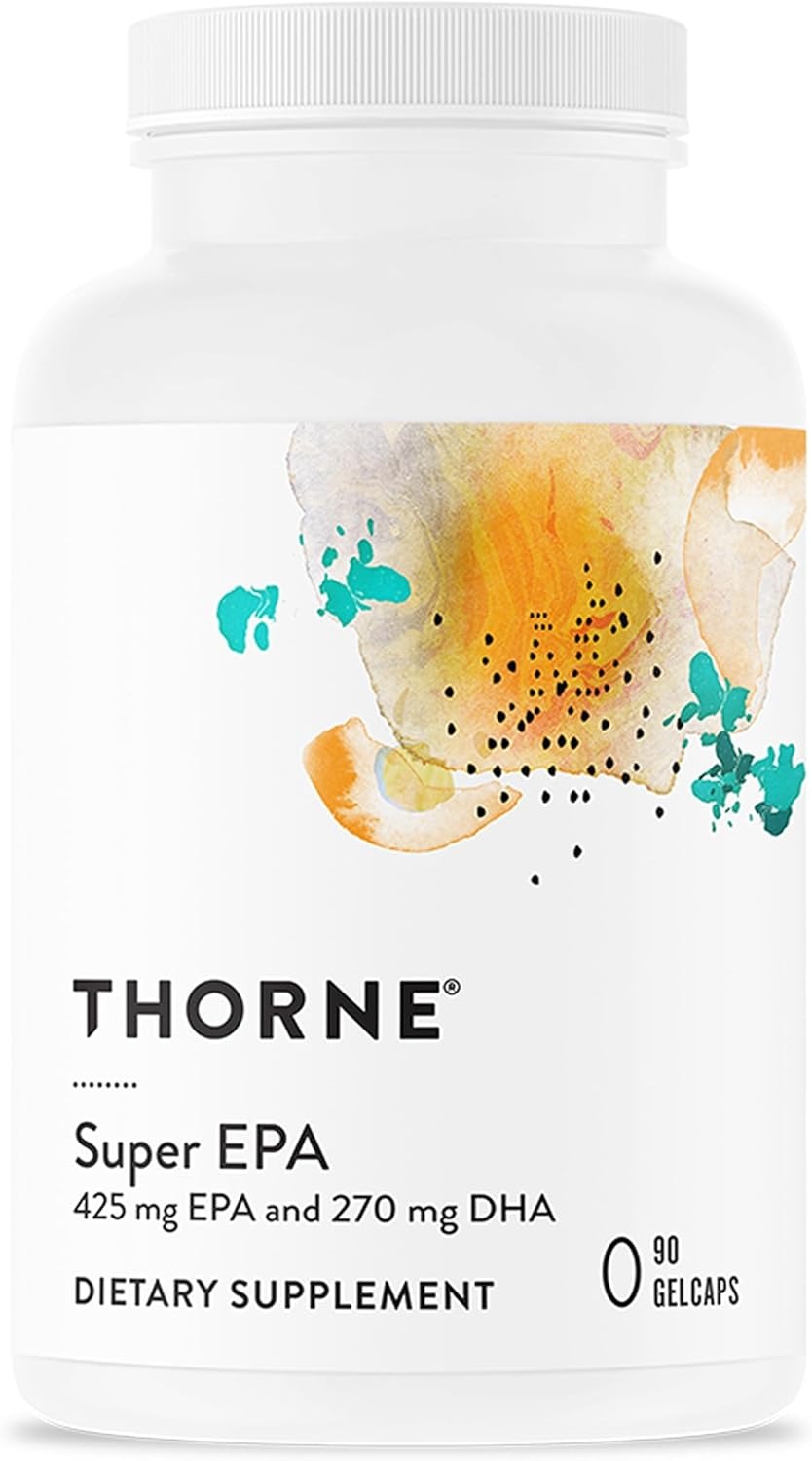
Thorne Super EPA
Serving: 1 gelcap (often 2–3/day) · EPA-forward
The cleanest tested profile for the cardiovascular angle. Super EPA is EPA-forward (425 EPA, 270 DHA), in triglyceride form, and NSF Certified for Sport, which makes it a trustworthy choice when EPA is your priority, as it often is for triglycerides. The honest caveat is dosing: at 425 mg EPA per gelcap, reaching a real triglyceride-lowering dose means two or three a day, which raises the true cost.
- EPA-forward, triglyceride form
- NSF Certified for Sport
- From a clinician-trusted brand
- Clean, short ingredient list
- Need 2–3 gelcaps for a high EPA dose
- Higher real cost at therapeutic doses
- Lower per-pill potency than the top picks
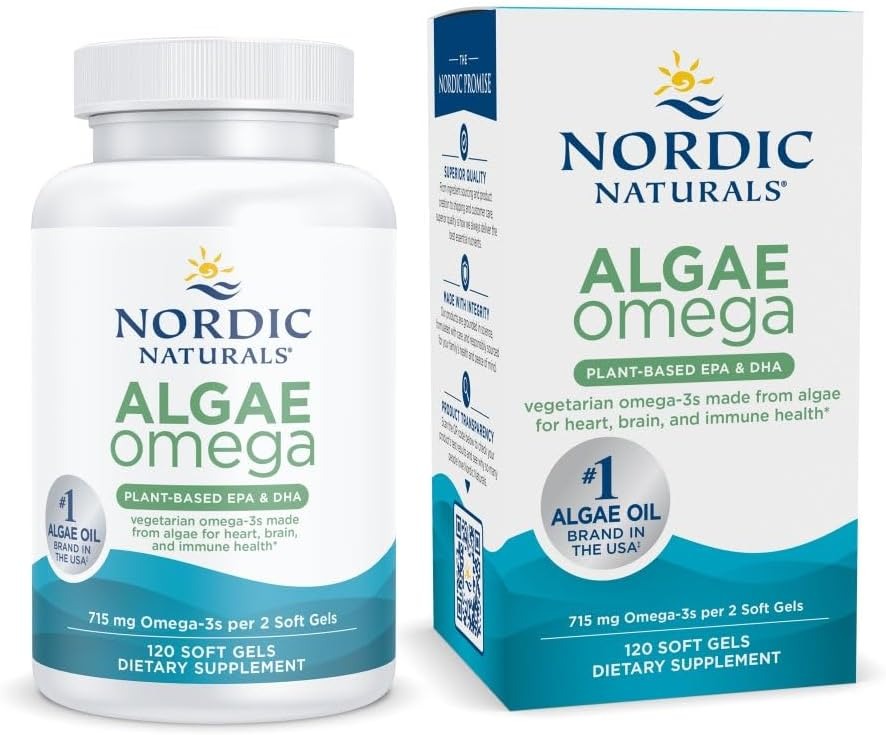
Nordic Naturals Algae Omega
Serving: 2 softgels · Source: microalgae (no fish)
The best option if you do not eat fish. Algae Omega delivers real EPA and DHA from microalgae, the same source fish get theirs from, in triglyceride form from a trusted brand. It is DHA-forward and lower in total omega-3 per serving than fish oil, and it costs more per gram (the usual vegan premium), but it is a legitimate, well-made way to get long-chain omega-3s without animal products.
- True EPA + DHA, vegan and sustainable
- Triglyceride form, trusted brand
- DHA-forward, good for those wanting more DHA
- No fishy taste or fish-sourcing concerns
- Lower total omega-3 per serving
- 2–3x the cost per gram of fish oil
- Two softgels per serving
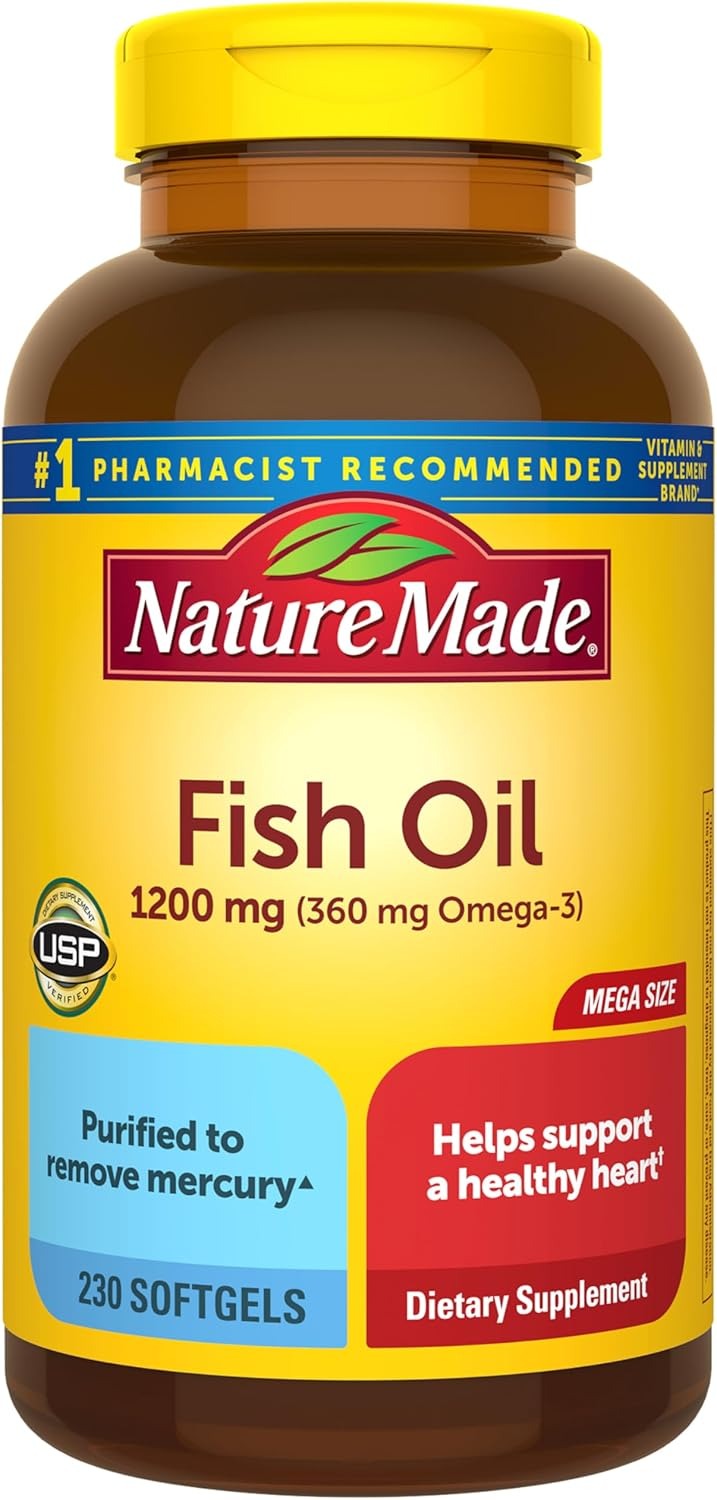
Nature Made Fish Oil
Serving: 2 softgels · large-count bottles
The cheapest trustworthy way in. Nature Made is USP Verified and works out to the lowest cost per gram of EPA+DHA here, around 600 mg combined per two-softgel serving in big-count bottles. The trade-offs are the cheaper ethyl ester form (slightly lower absorption) and a modest dose, so you may need two servings to match the potency of the premium oils. For basic, verified omega-3 on a budget, it does the job.
- USP Verified at the lowest cost per gram
- Widely available in large-count bottles
- Trusted mass-market brand
- Fine for general daily omega-3
- Ethyl ester form, lower absorption
- Modest dose; may need two servings
- EPA/DHA split not clearly broken out
The full lineup, side by side
The fastest way to read this: look at EPA + DHA first, then the form, then the price.
| Product | EPA | DHA | Total ω-3 | Form | Third-party | ~ Price / serving |
|---|---|---|---|---|---|---|
| Nordic Ultimate Omega | 650 mg | 450 mg | 1,280 mg | rTG | IFOS (per batch) | $0.88 |
| WHC UnoCardio 1000 | 675 mg | 460 mg | 1,200 mg | rTG | IFOS certified | $0.81 |
| Sports Research | 690 mg | 260 mg | ~1,040 mg | rTG | IFOS certified | $0.30 |
| Carlson (liquid) | 800 mg | 500 mg | 1,600 mg | TG | IFOS tested | $0.80 |
| Thorne Super EPA | 425 mg | 270 mg | 813 mg | TG | NSF Cert. for Sport | $0.50 |
| Nordic Algae (vegan) | 195 mg | 390 mg | 715 mg | TG | Non-GMO / vegan | $0.80 |
| Nature Made | ~600 mg combined | 720 mg | EE | USP Verified | $0.15 | |
Values are per labeled serving and vary by SKU; prices are approximate per-serving estimates from current pack sizes and change often. "rTG/TG" is the better-absorbed triglyceride form; "EE" is ethyl ester.
How to choose the right one for you
Read the EPA + DHA, not the "fish oil" number
The big number on the front is total fish oil, most of which is filler. Flip to the back and add up the EPA and DHA, the two omega-3s that do the work. A "1,000 mg fish oil" softgel might contain only 300 mg of actual EPA+DHA, which is why a cheap-looking oil can cost more per gram of omega-3 than a concentrate.
Match the dose to your goal
For general health, most guidance lands around 250 to 500 mg of EPA+DHA per day, easily met by one good softgel or oily fish twice a week. For lowering high triglycerides, trials use far more, roughly 2 to 4 grams a day, and that higher dose should be supervised by a doctor.
Prefer the triglyceride form
Triglyceride and rTG oils absorb a bit better and resist going rancid better than the cheaper ethyl ester form found in many bargain products. It is not a dramatic difference, but if you are paying for quality, the triglyceride form is the one to get.
Check for testing and freshness
Fish oil oxidizes easily, so look for IFOS, USP, or NSF testing, a clear freshness date, and a sealed, opaque bottle. If a softgel smells strongly fishy or tastes off, it has likely gone rancid, replace it.
Mind interactions and go vegan if needed
Fish oil mildly thins the blood, so check with your doctor before high doses if you take a blood thinner or are facing surgery, see our supplement and drug interactions guide. If you do not eat fish, a quality algal oil is a legitimate source of the same EPA and DHA.
Frequently asked questions
What is the best fish oil supplement?
For most people, Nordic Naturals Ultimate Omega is the best all-rounder: a well-absorbed triglyceride-form oil with 1,280 mg of omega-3 per serving, mild taste, and per-batch purity testing. WHC UnoCardio packs the most EPA and DHA into one pill, and Nature Made is the cheapest USP Verified option.
How much EPA and DHA do I need?
For general health, roughly 250 to 500 mg of combined EPA and DHA per day, which oily fish twice a week can cover. For lowering high triglycerides, studies use around 2 to 4 grams a day, which should be done with a doctor. The key number is EPA + DHA on the back label, not the front "fish oil" figure.
Does the form of fish oil matter?
Somewhat. Triglyceride and rTG forms absorb a bit better and resist oxidation better than the cheaper ethyl ester (EE) form. The difference is not dramatic, but a triglyceride-form product is the better choice if you are paying for quality, which is why most of our top picks use it.
What is IFOS, and how do I know my fish oil is not rancid?
IFOS is the leading independent program that tests fish oil for purity, potency, and oxidation. Fish oil goes rancid easily, so look for IFOS, USP, or NSF testing, check the freshness date, and replace any oil that smells strongly fishy or tastes off.
Is algae omega-3 as good as fish oil?
For vegans and vegetarians, algal oil is the best option and a legitimate source of EPA and DHA (fish get theirs from algae too). It is more DHA-dominant and costs more per gram, but a quality algal oil delivers the real thing without fish.
Is it safe to take fish oil with blood thinners?
Fish oil mildly thins the blood, so high doses can add to anticoagulant or antiplatelet medication. It is usually fine at typical doses, but talk to your doctor first if you take a blood thinner, are scheduled for surgery, or have a bleeding disorder.
The bottom line
The best omega-3 is the one that delivers a real EPA + DHA dose, in an absorbable form, that has been tested for purity. For most people that is Nordic Naturals Ultimate Omega; WHC UnoCardio is the high-potency single-pill upgrade, and Sports Research is the IFOS-certified value buy. Choose Carlson if you prefer a liquid, Thorne Super EPA for an EPA-forward heart formula, Nordic Algae Omega if you are vegan, and Nature Made for verified omega-3 on a budget. Read the EPA+DHA, not the front label, and oily fish twice a week still does much of the job for free.