Creatine is the most studied and most reliable sports supplement there is, and also the one with the most marketing layered on top. The single most important thing to know cuts through all of it: plain creatine monohydrate is the gold standard. Decades of research, it works for strength, muscle, and even the brain, and it is cheap. The fancier forms (HCl, buffered "Kre-Alkalyn," ethyl ester, liquid) are not proven to beat it and usually cost more. So a "best creatine" list is really a contest of purity, third-party testing, format, and price, not exotic chemistry.
The one quality marker worth knowing is Creapure, a German-made, ultra-pure monohydrate that has long been the benchmark. Worth flagging: a few big brands have quietly moved off Creapure or dropped it from the label (Optimum Nutrition and Momentous among them), so if it matters to you, check the current packaging. We ranked the creatine worth buying on Amazon by exactly these factors. For most people Thorne is the best all-round pick, but the budget tubs work just as well chemically. For the full how-to, see our guide to creatine monohydrate benefits, dosing, and myths.
The short version
- Best overall: Thorne Creatine. Creapure monohydrate, micronized, NSF Certified for Sport.
- Best value: Optimum Nutrition Micronized Creatine, around 20 cents a serving.
- Best budget: Nutricost, the cheapest clean monohydrate per gram.
- Monohydrate is the answer. Skip the "advanced" forms; they are not proven to work better and cost more.
- Dose: 3 to 5 grams a day, every day. Loading is optional. Timing does not matter.
How we ranked them
Because creatine is a single, well-understood molecule, the differences come down to a few things. We weighed five, in this order:
- Form and evidence. Creatine monohydrate is the gold standard, so monohydrate products start ahead of "advanced" forms that lack the same research.
- Purity sourcing. Creapure (German, ultra-pure) is the benchmark, and we note which products still use it, since several brands have moved away.
- Third-party testing. NSF Certified for Sport and Informed Sport verify the contents and screen for banned substances, which matters most to athletes.
- Format and dose. Powder is cheapest and most flexible; gummies and HCl are convenient but pricier per gram. We checked that the dose is sensible (about 5 g).
- Value. Price per serving, because creatine is a daily, long-term habit.
Scores are our editorial assessment on a five-point scale, not customer ratings.
The 7 best creatine supplements
Tap any product to jump straight to its full review.
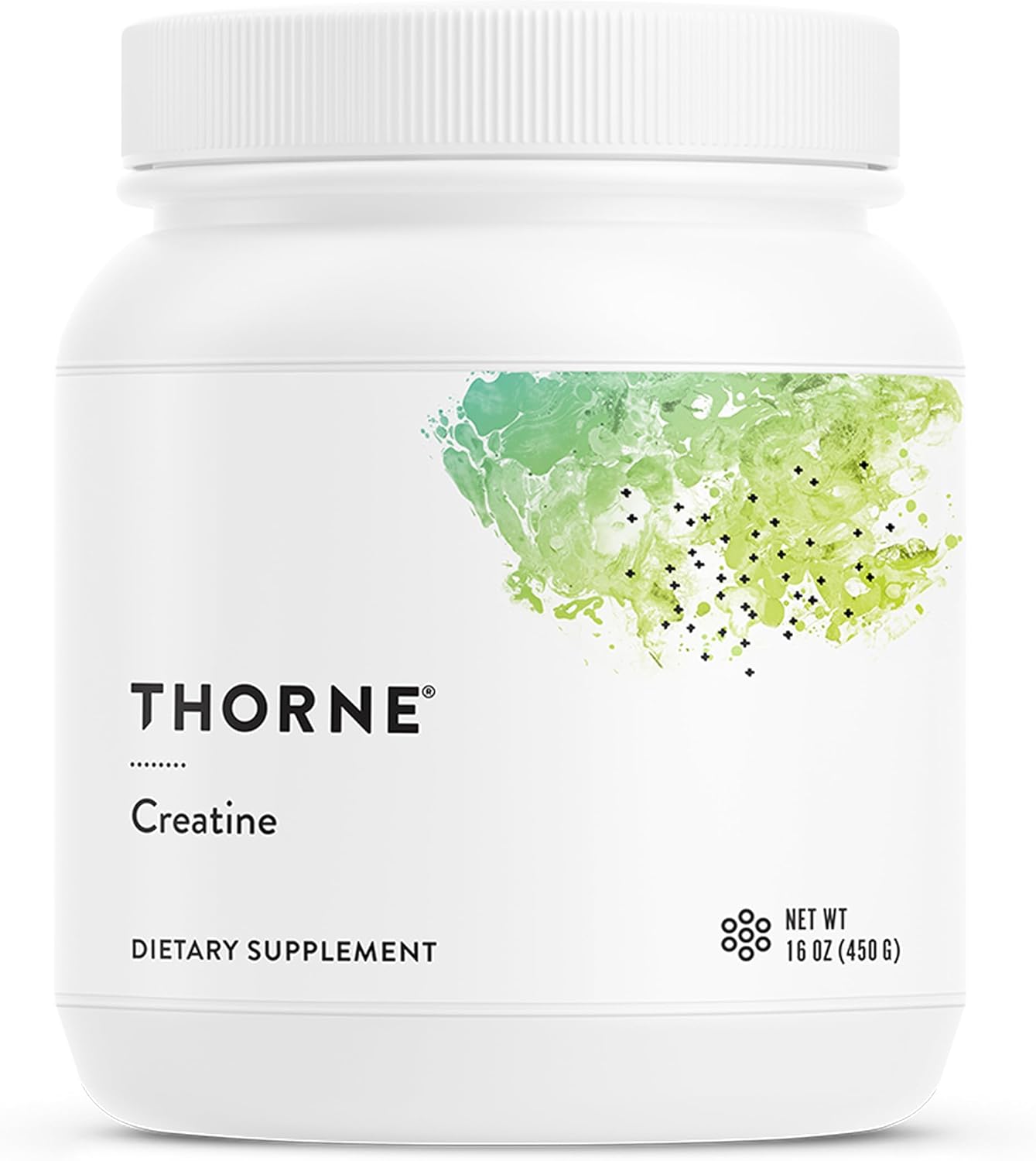
Thorne Creatine
Best for: a clean, certified daily creatine
The quality benchmark. A single ingredient (Creapure monohydrate, the German gold standard), micronized so it mixes cleanly, and NSF Certified for Sport so every batch is screened for banned substances. Nothing added, nothing to question. You pay a bit more per scoop than budget tubs, but this is the one to buy if you want certainty.
- Creapure monohydrate, the purity gold standard
- NSF Certified for Sport (every batch tested)
- Single ingredient, micronized for easy mixing
- Trusted by pro teams and a Mayo Clinic partner
- Pricier per serving than budget tubs
- Unflavored only
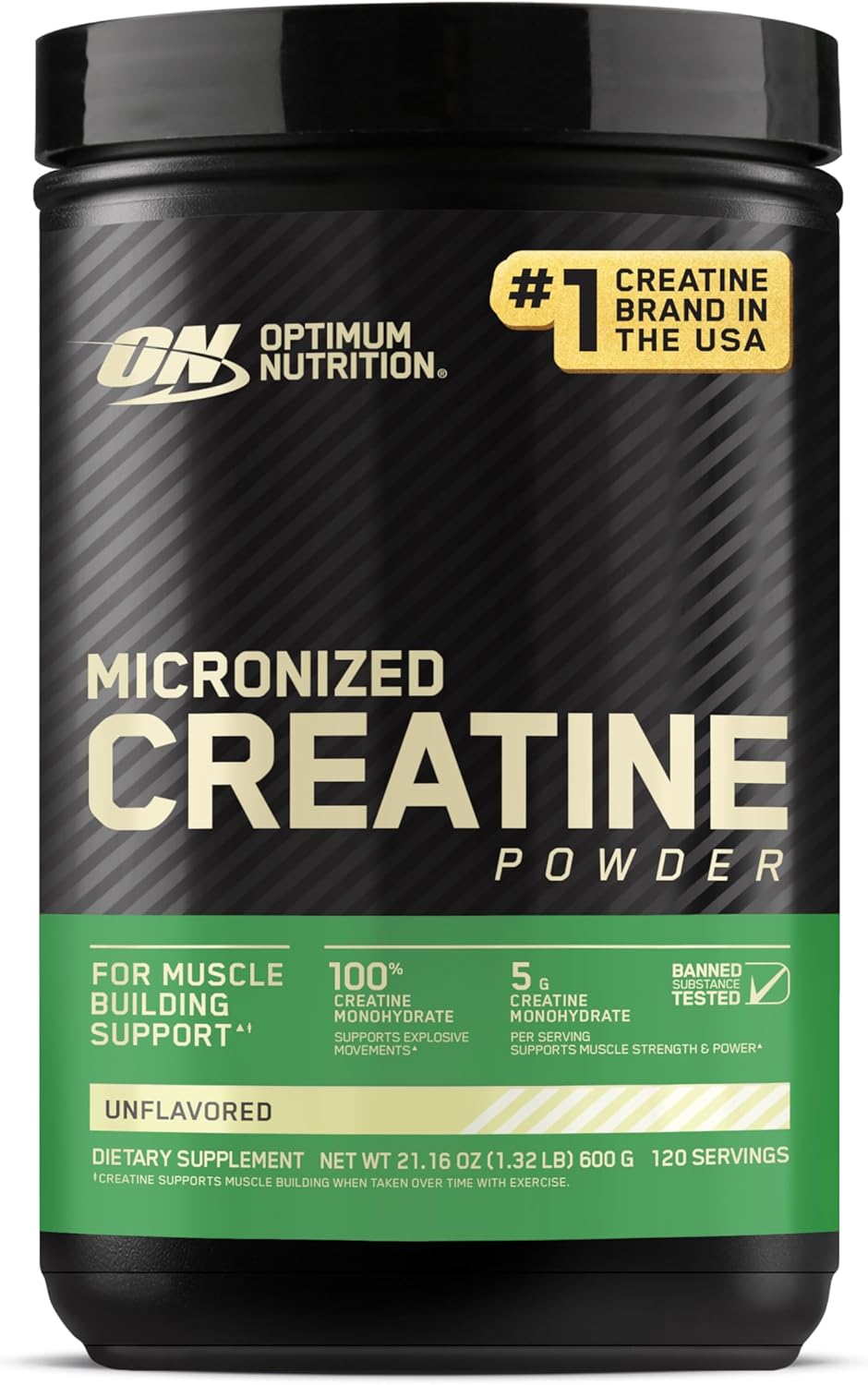
Optimum Nutrition Micronized Creatine
Best for: the best balance of quality and price
The default, for good reason. Micronized 5 g monohydrate from the best-selling creatine brand, banned-substance tested, at around 20 cents a serving. One note for purists: ON no longer states Creapure on the label, so if German-sourced creatine matters to you, look higher up this list. For everyone else, this is all the creatine you need at a hard-to-beat price.
- Micronized, mixes easily
- Clinically standard 5 g, unflavored
- Banned-substance tested in-house
- Very cheap and available everywhere
- No longer labels Creapure sourcing
- No third-party sport certification
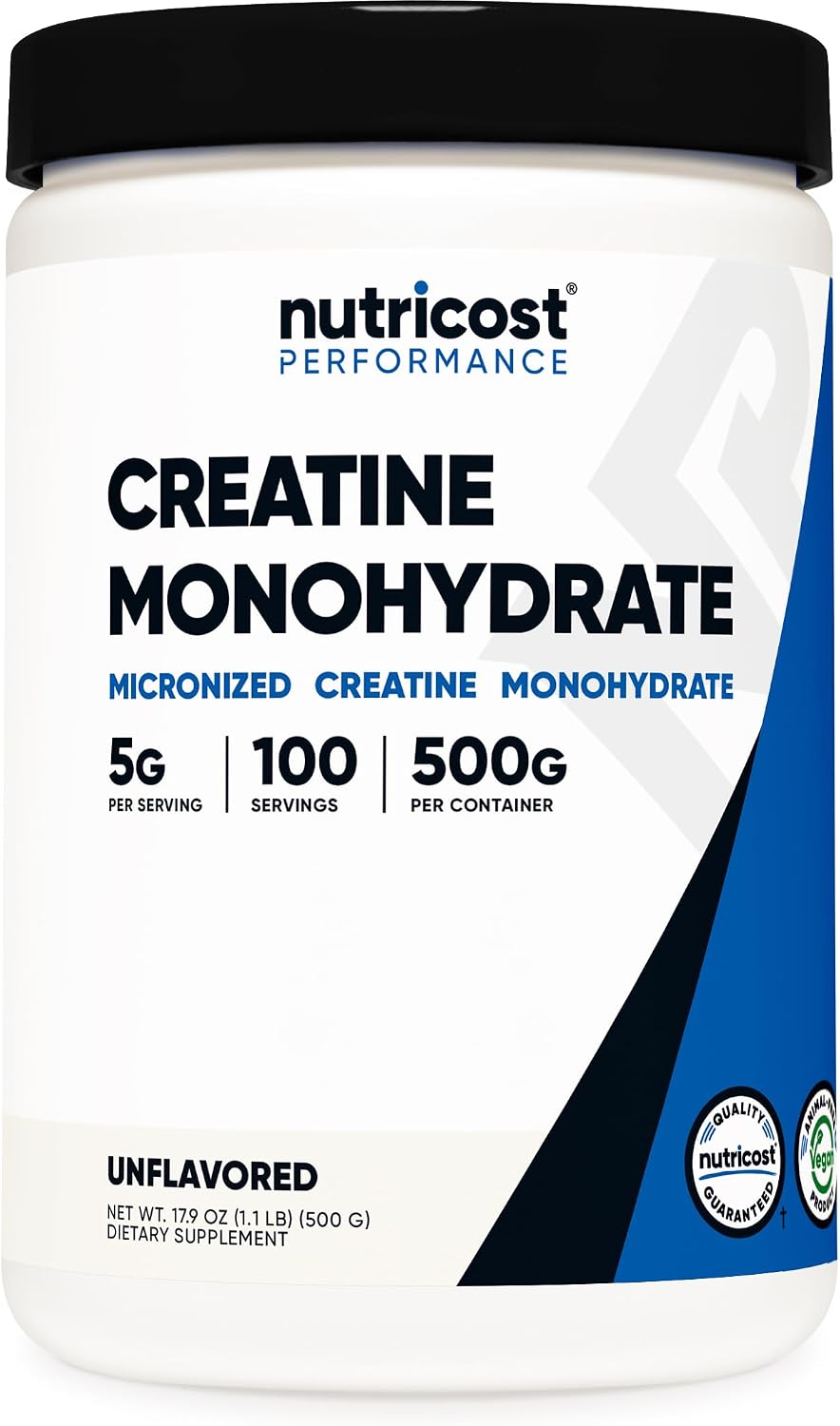
Nutricost Creatine Monohydrate
Best for: the lowest cost per gram
The no-frills value tub. A clean 5 g of micronized monohydrate with zero fillers, third-party tested, in big bulk sizes for rock-bottom cost. It is not Creapure and the brand does not publish a certificate of analysis, but for a proven molecule like creatine, this is a perfectly effective way to spend as little as possible.
- Among the cheapest creatine per serving
- Clean 5 g, no fillers, micronized
- Third-party tested
- Big bulk tubs up to 1 kg
- Not Creapure
- No published certificate of analysis
- Testing details undisclosed
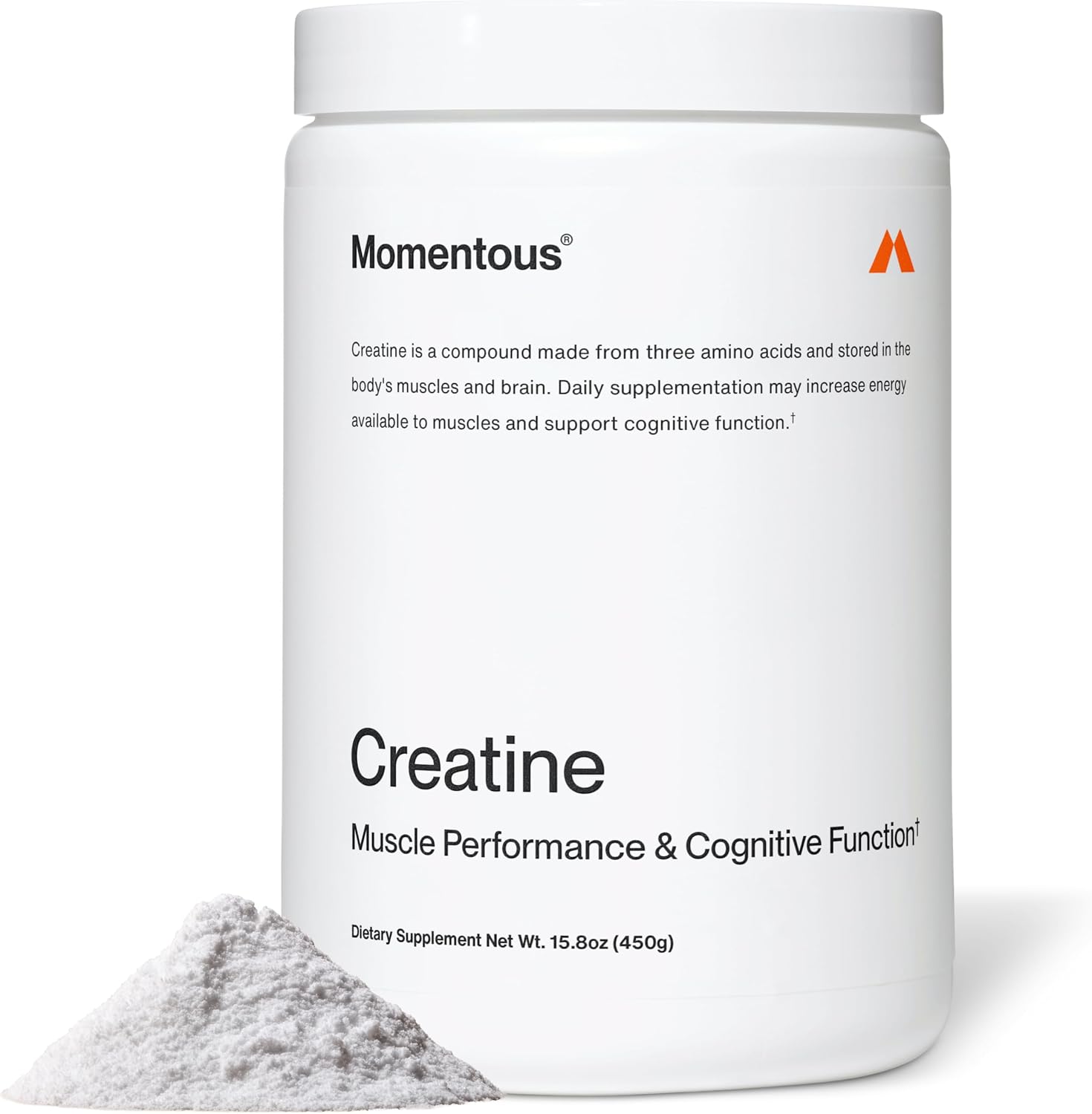
Momentous Creatine
Best for: athletes who want maximum certification
The most thoroughly certified option here, carrying both NSF Certified for Sport and Informed Sport, with an ultra-fine micronized texture that mixes clean. It is the priciest powder, and the brand is quietly moving off Creapure to its own in-house spec, but if dual certification is your top priority, this is the one.
- Dual NSF Certified for Sport + Informed Sport
- Ultra-fine, mixes cleanly
- Clinical 5 g, single ingredient
- Single-serve travel packs available
- Most expensive powder here
- Creapure sourcing being phased out
- Flavored options limited to small packs
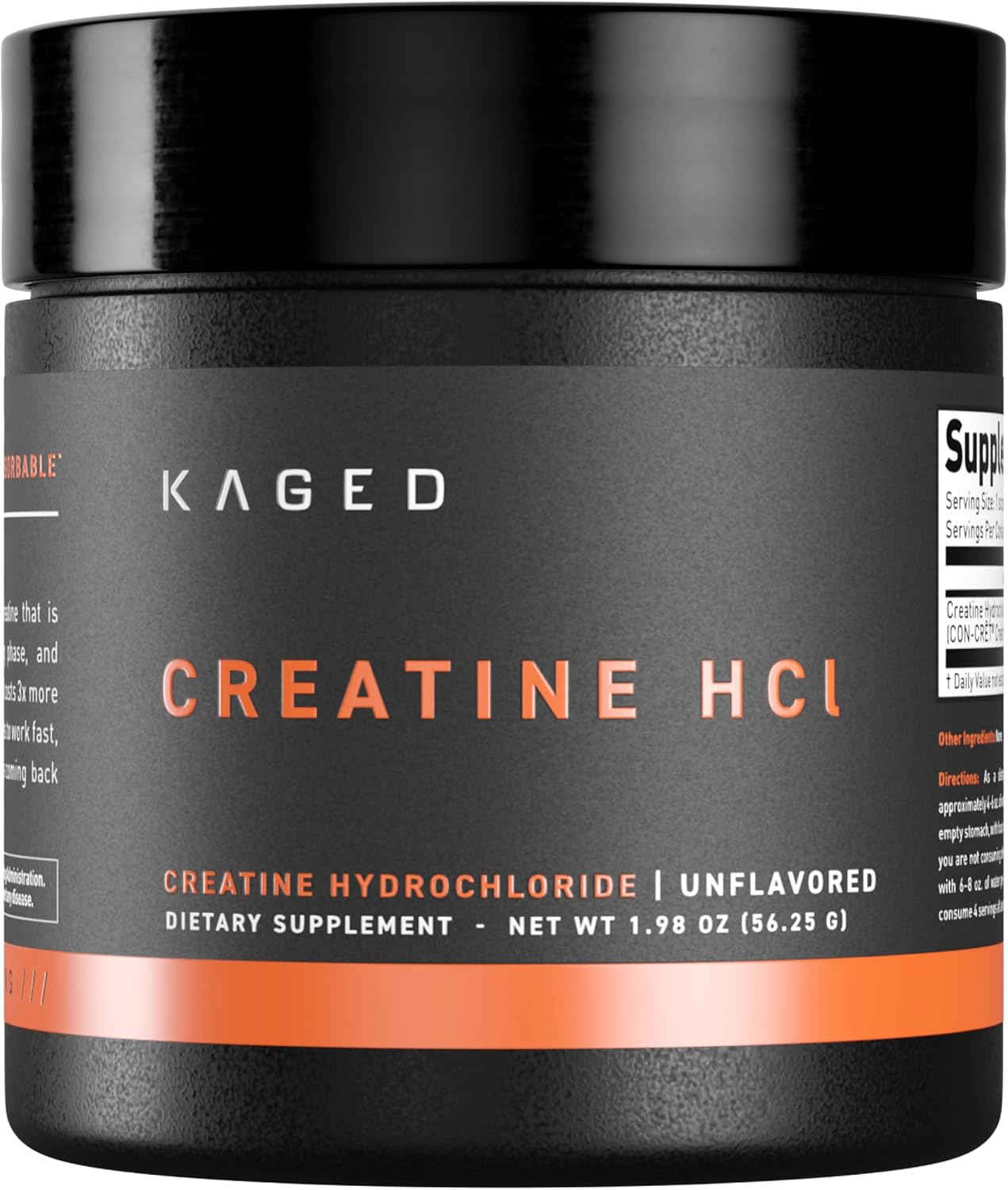
Kaged Creatine HCl
Best for: anyone who feels bloated on monohydrate
The HCl alternative, done honestly. Creatine hydrochloride is more soluble (it mixes clear, no grit) and is taken at a tiny 750 mg dose, which some people find easier on the stomach than monohydrate. It is Informed Sport certified. The catch: HCl has far less research behind it, and at this small per-scoop dose you may need several scoops a day, which erodes the value versus plain monohydrate.
- Highly soluble, mixes clear with no grit
- Small dose, no loading phase
- Informed Sport certified
- Easier on sensitive stomachs for some
- Far less evidence than monohydrate
- 750 mg per scoop means multiple scoops if it is your only creatine
- Costs more per gram of creatine
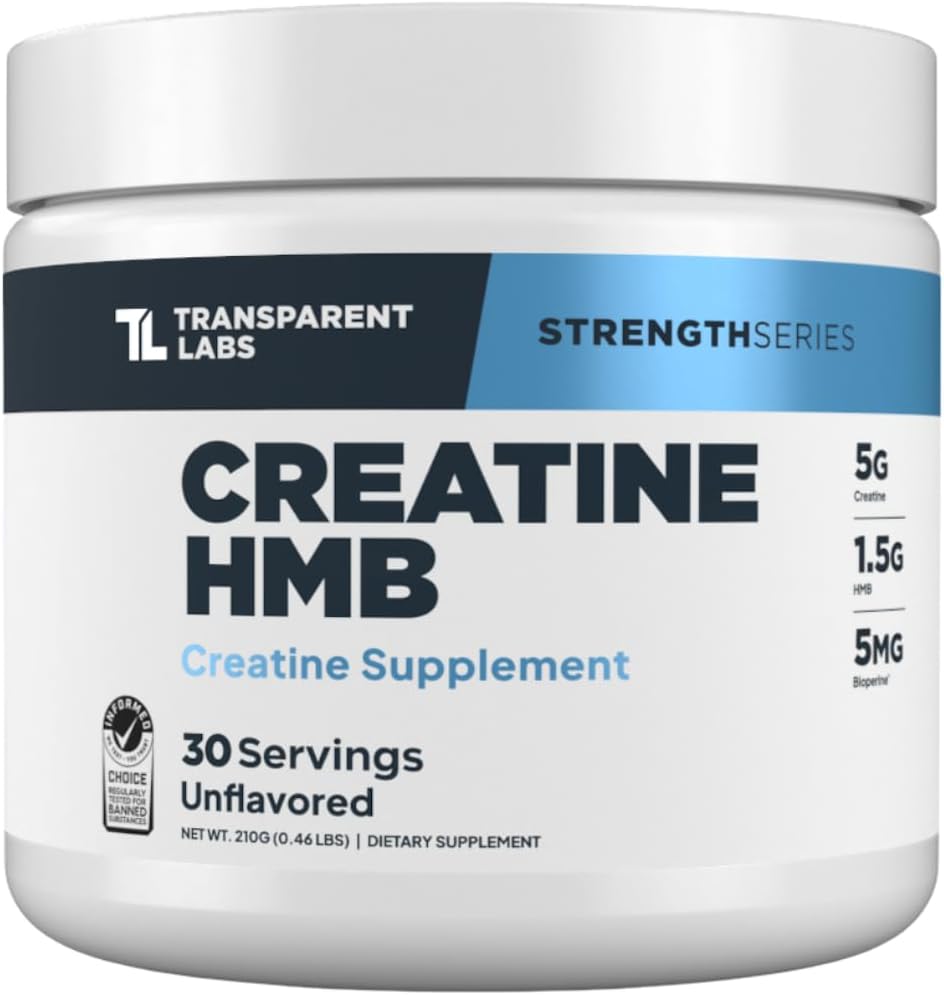
Transparent Labs Creatine HMB
Best for: stacking creatine with HMB for muscle
For people who want more than just creatine. It pairs 5 g of Creapure monohydrate with 1.5 g of HMB and vitamin D, a combination aimed at preserving and building muscle, and it is Informed Choice certified with published lab results. The HMB mainly helps during hard training or a calorie cut, and at around $1.50 a serving you are paying a clear premium for the extras.
- 5 g Creapure monohydrate plus 1.5 g HMB and vitamin D
- Informed Choice certified, public COAs
- Many flavors plus unflavored
- Genuinely transparent labeling
- Among the priciest per serving (~$1.50)
- Not micronized
- HMB's benefit is mostly for untrained or cutting athletes
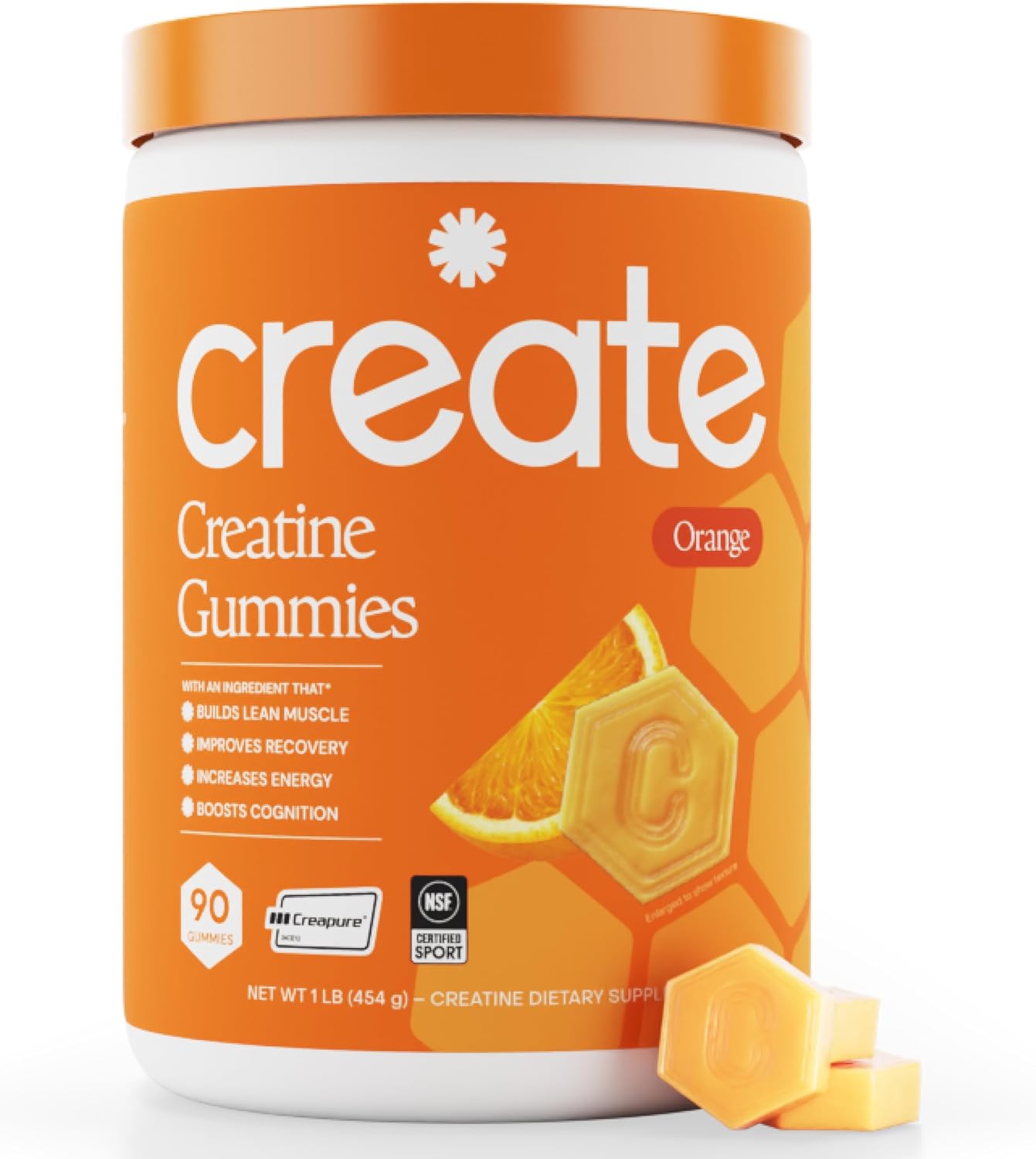
Create Creatine Gummies
Best for: ditching the powder and the shaker
The one creatine gummy worth trusting. In independent lab testing most creatine gummies contained almost no creatine; Create is the exception, with a verified ~4.5 g of Creapure per serving and the only NSF Certified for Sport gummy on the market. It is genuinely convenient. Just know you pay far more per gram than powder, the 4.5 g sits just under the 5 g clinical dose, and creatine in gummies can slowly degrade over the jar's life.
- Independently verified to actually contain its dose
- Only NSF Certified for Sport creatine gummy
- Uses Creapure monohydrate
- Convenient, no mixing or shaker
- Far pricier per gram than powder
- 4.5 g is just under the 5 g clinical dose
- Creatine can degrade in gummies over time
The full lineup, side by side
The fastest way to read this table: they are nearly all 5 g of monohydrate, so compare on Creapure, testing, format, and price.
| Product | Form | Dose | Creapure | Tested | Format | ~ Price / serving |
|---|---|---|---|---|---|---|
| Thorne | Monohydrate | 5 g | Yes | NSF Sport | Powder | $0.44 |
| Optimum Nutrition | Monohydrate | 5 g | Not stated | In-house | Powder | $0.20 |
| Nutricost | Monohydrate | 5 g | No | 3rd-party | Powder | $0.22 |
| Momentous | Monohydrate | 5 g | Phasing out | NSF + Informed Sport | Powder | $0.48 |
| Kaged | HCl | 0.75 g/scoop | — | Informed Sport | Powder | $0.32 |
| Transparent Labs | Mono + HMB | 5 g | Yes | Informed Choice | Powder | $1.50 |
| Create | Mono gummy | 4.5 g | Yes | NSF Sport | Gummy | $1.42 |
Nearly all are 5 g creatine monohydrate; Kaged is HCl at a much smaller per-scoop dose. Prices are approximate per-serving estimates from current Amazon pack sizes and change often.
How to choose the right one for you
Stick with monohydrate
This is the easiest decision in supplements. Creatine monohydrate has decades of research and is the cheapest form, while "advanced" forms (HCl, buffered Kre-Alkalyn, ethyl ester, liquid) are not proven to work better and usually cost more. The only reason to consider HCl is if monohydrate genuinely upsets your stomach. Otherwise, monohydrate every time.
Creapure is the purity benchmark, but check the label
Creapure is a German-made, ultra-pure monohydrate that has long signaled top quality. It is not essential, since any reputable monohydrate works, but it is a nice assurance. The catch in 2026 is that several big brands have quietly stopped using or labeling Creapure (Optimum Nutrition and Momentous among them), so if it matters to you, confirm it on the current packaging rather than trusting old reviews.
Third-party testing for athletes
If you are drug-tested or just want certainty, look for NSF Certified for Sport or Informed Sport, which verify the contents and screen for banned substances. Thorne, Momentous, Kaged, and Create all carry a sport certification. For everyone else, a reputable brand with in-house or third-party testing is fine.
Dose and loading
Three to five grams a day is all you need, taken every day. Loading (around 20 g a day, split into four doses, for 5 to 7 days) saturates your muscles faster, but it is optional and can cause some bloating. Just taking 5 g daily gets you to the same place in about three to four weeks. Timing does not matter, so take it whenever you will remember.
Format and value
Powder is the cheapest and most flexible, especially unflavored, which stacks into any drink. Gummies and HCl are more convenient but cost several times more per gram, and gummies can lose potency over time. Because creatine is a daily, lifelong habit for many people, price per serving adds up, and the budget powders are chemically identical to the premium ones.
Frequently asked questions
What is the best creatine supplement?
For most people, Thorne Creatine is the best all-round pick: a single-ingredient Creapure monohydrate that is micronized and NSF Certified for Sport. Optimum Nutrition Micronized Creatine is the best value, and Nutricost is the cheapest. Because all of these are creatine monohydrate, the budget options work just as well chemically; you are mainly paying for purity sourcing and third-party testing.
Is creatine monohydrate better than HCl or other forms?
Creatine monohydrate is the gold standard, with decades of research showing it works, and it is the cheapest form. Fancier forms like HCl, buffered (Kre-Alkalyn), ethyl ester, and liquid creatine are not proven to outperform monohydrate, and usually cost more. HCl is more soluble and taken at a smaller dose, which some people find gentler on the stomach, but the evidence still favors monohydrate.
What is Creapure?
Creapure is a German-made, ultra-pure creatine monohydrate that has long been the industry quality benchmark, tested for contaminants and banned substances. Some brands use it (Thorne, Transparent Labs, Create) and some do not. It is not essential, since any quality monohydrate works, but it is a nice assurance. Note that a few big brands have quietly moved off Creapure, so check the current label if it matters to you.
How much creatine should I take, and do I need to load?
A daily dose of 3 to 5 grams is all most people need. Loading (about 20 grams a day, split into 4 doses, for 5 to 7 days) fills your muscle stores faster, but it is optional. Taking 5 grams a day reaches the same level in roughly three to four weeks without the bloating some people get from loading.
Do creatine gummies actually work?
Only if they actually contain creatine. Independent lab testing found that many creatine gummies had almost none, because creatine can degrade in a gummy over time. Create is the exception, with an independently verified dose and NSF Certified for Sport status. Gummies are convenient but cost much more per gram than powder.
When should I take creatine?
Timing barely matters for creatine. Take about 5 grams a day whenever is convenient, with or without food. What counts is taking it consistently every day, because the benefit comes from keeping your muscle stores saturated over time, not from any single dose.
The bottom line
Creatine is the rare supplement where the science is settled: monohydrate works, and it is cheap. That makes Thorne the best all-round pick for its Creapure purity and NSF certification, with Optimum Nutrition the best value and Nutricost the cheapest, all chemically equivalent. Choose Momentous for maximum certification, Kaged HCl only if monohydrate upsets your stomach, Transparent Labs if you want the HMB combo, and Create if gummies will keep you consistent. Whatever you pick, take about 5 grams a day, every day, and do not pay extra for exotic forms that the research does not support.