Protein powder is the single most useful supplement most people will ever buy, and also the one with the most noise around it. Walk down the aisle and every tub promises the most grams, the cleanest label, or the fastest absorption. Strip away the marketing and the truth is simpler: a good protein powder is a convenient way to hit your daily protein target, and the differences that actually matter are protein per scoop, how much sugar and filler tags along, whether an independent lab has checked the tub, and whether you like it enough to keep drinking it.
We compared the most popular and best-reviewed protein powders on exactly those points, across whey and plant-based options. The short story: for most people, Optimum Nutrition Gold Standard 100% Whey is still the one to beat, because it nails the balance of protein, taste, third-party testing, and price. From there, every pick below wins a specific job, from the purest isolate to the best plant protein to the cheapest scoop that is still worth buying. For the bigger picture on choosing a powder, see our deeper explainer, The Ultimate Guide to Protein Powders.
The short version
- Best overall: Optimum Nutrition Gold Standard 100% Whey. 24 g of protein, great flavors, Informed Choice tested, fair price.
- Best whey isolate: Dymatize ISO100, a hydrolyzed isolate that is fast-digesting, nearly lactose-free, and excellent tasting.
- Best plant-based: Garden of Life Sport, the only pick here carrying NSF Certified for Sport, with 30 g of organic plant protein.
- Best value: Nutricost Whey Concentrate at roughly 70 cents a serving, if you do not need a banned-substance seal.
How we ranked them
Protein powders look interchangeable on the shelf, so we weighed the things that actually separate them, in this order:
- Protein quality and dose. Grams of protein per scoop, the protein source, and whether it is a complete protein with enough leucine to drive muscle protein synthesis. Whey isolate sets the bar; good plant blends close the gap.
- Sugar, calories, and fillers. A clean macro profile with little added sugar and no unnecessary gums, oils, or dyes scored higher than a calorie-heavy formula.
- Third-party testing. Independent banned-substance and label-accuracy certification (Informed Choice, Informed Sport, NSF Certified for Sport) is the strongest signal that the label is honest.
- Taste and mixability. The best powder is useless if it sits in the cupboard. We favored powders people reach for and that mix smooth without a chalky texture.
- Value. Price per serving, because a daily shake adds up fast over a year.
Scores are our editorial assessment on a five-point scale, not customer ratings.
The 7 best protein powders
Tap any product to jump straight to its full review.
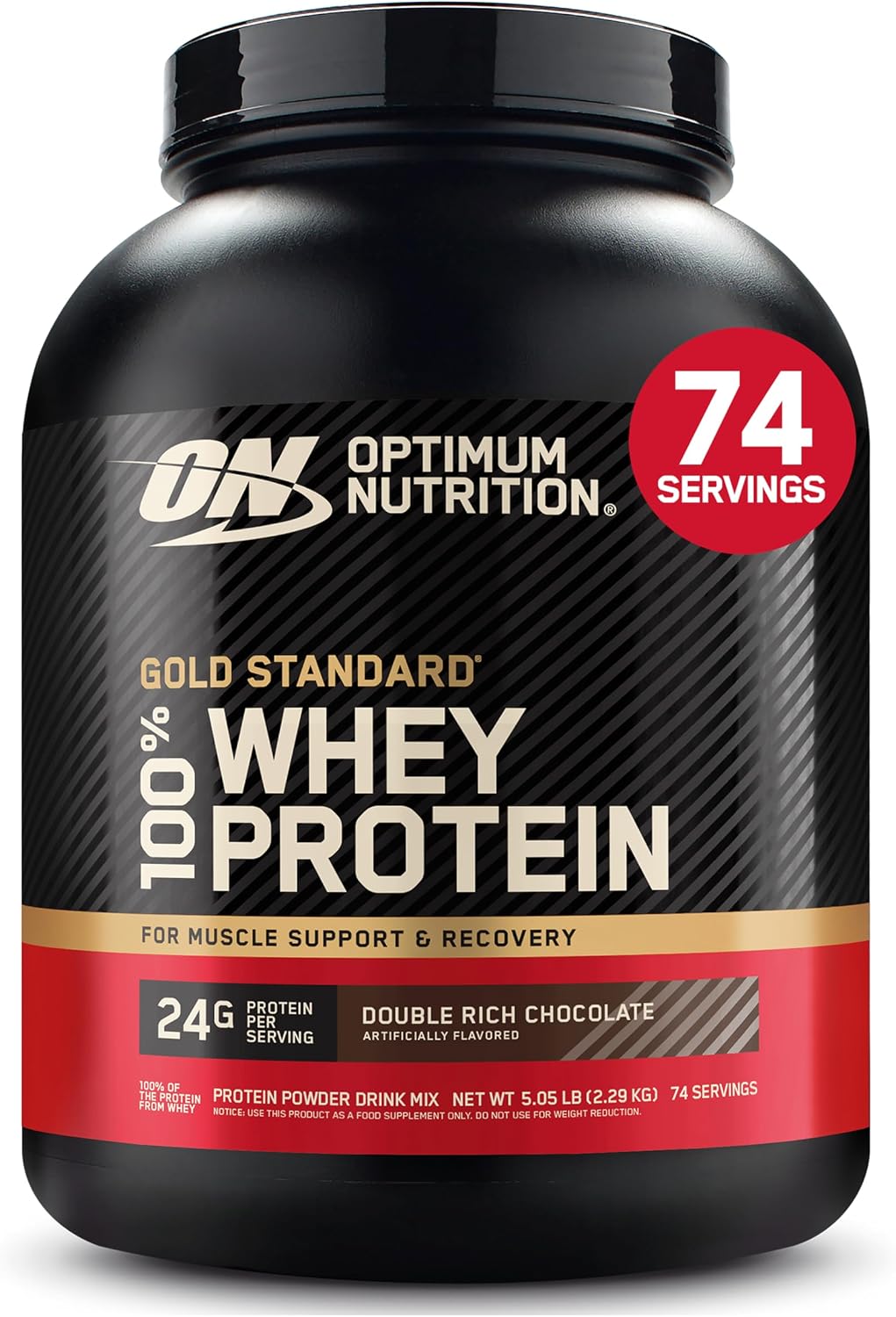
Optimum Nutrition Gold Standard 100% Whey
Top flavors: Double Rich Chocolate, Vanilla Ice Cream, Extreme Milk Chocolate, Cookies and Cream
The benchmark whey, and still the one to beat. Gold Standard has outsold every other tub for years, and the formula explains why: 24 g of protein at 120 calories from a whey isolate-led blend that mixes clean, more than twenty flavors that genuinely taste good, and Informed Choice testing on a mass-market product. It is not the purest isolate or the absolute cheapest scoop, but nothing else balances protein, taste, quality, and trust this well. If you want one tub for everyone in the house, this is it.
- 24 g protein, isolate-led blend
- Informed Choice banned-substance tested
- Huge flavor range, all well-liked
- Mixes smooth, widely available, fair price
- A blend, not a pure isolate
- Contains some lactose, not ideal if very sensitive
- Uses artificial sweeteners
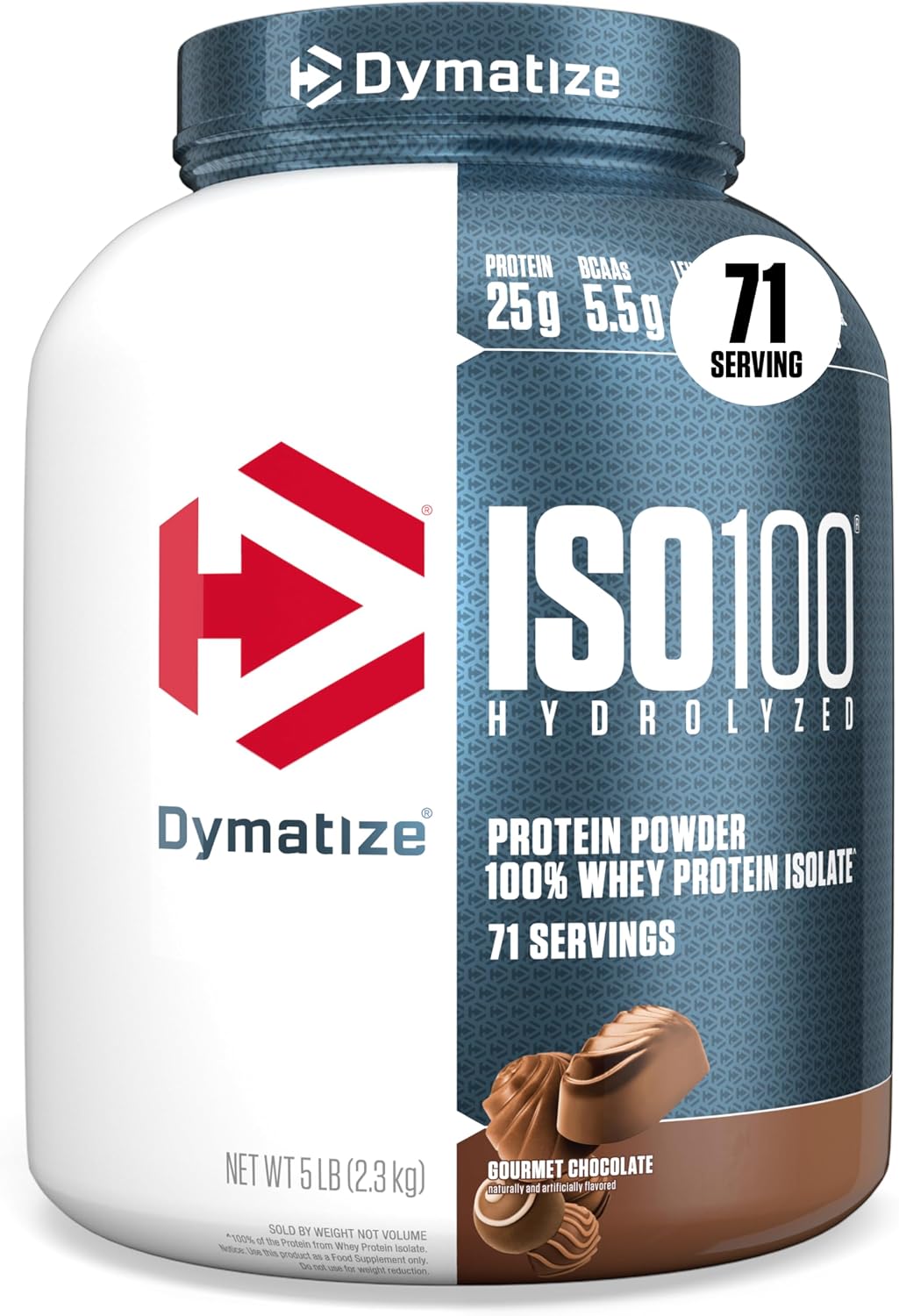
Dymatize ISO100 Hydrolyzed
Top flavors: Gourmet Chocolate, Fudge Brownie, Cocoa Pebbles, Birthday Cake
If you want the purest, fastest whey, this is it. ISO100 is hydrolyzed whey isolate, partially pre-broken-down for quick digestion, with 25 g of protein per scoop, almost no lactose, and zero sugar. It is the go-to for right after training and for anyone whose stomach struggles with regular whey. The Gourmet Chocolate and Fudge Brownie flavors are among the best-tasting isolates on the market. The only real catch is the price: it is one of the most expensive scoops in this group.
- Hydrolyzed isolate, fast and easy to digest
- Very low lactose, gut-friendly
- Informed Choice tested
- Outstanding flavor for a pure isolate
- Premium price per serving
- Uses sucralose for sweetening
- Overkill if your stomach handles regular whey
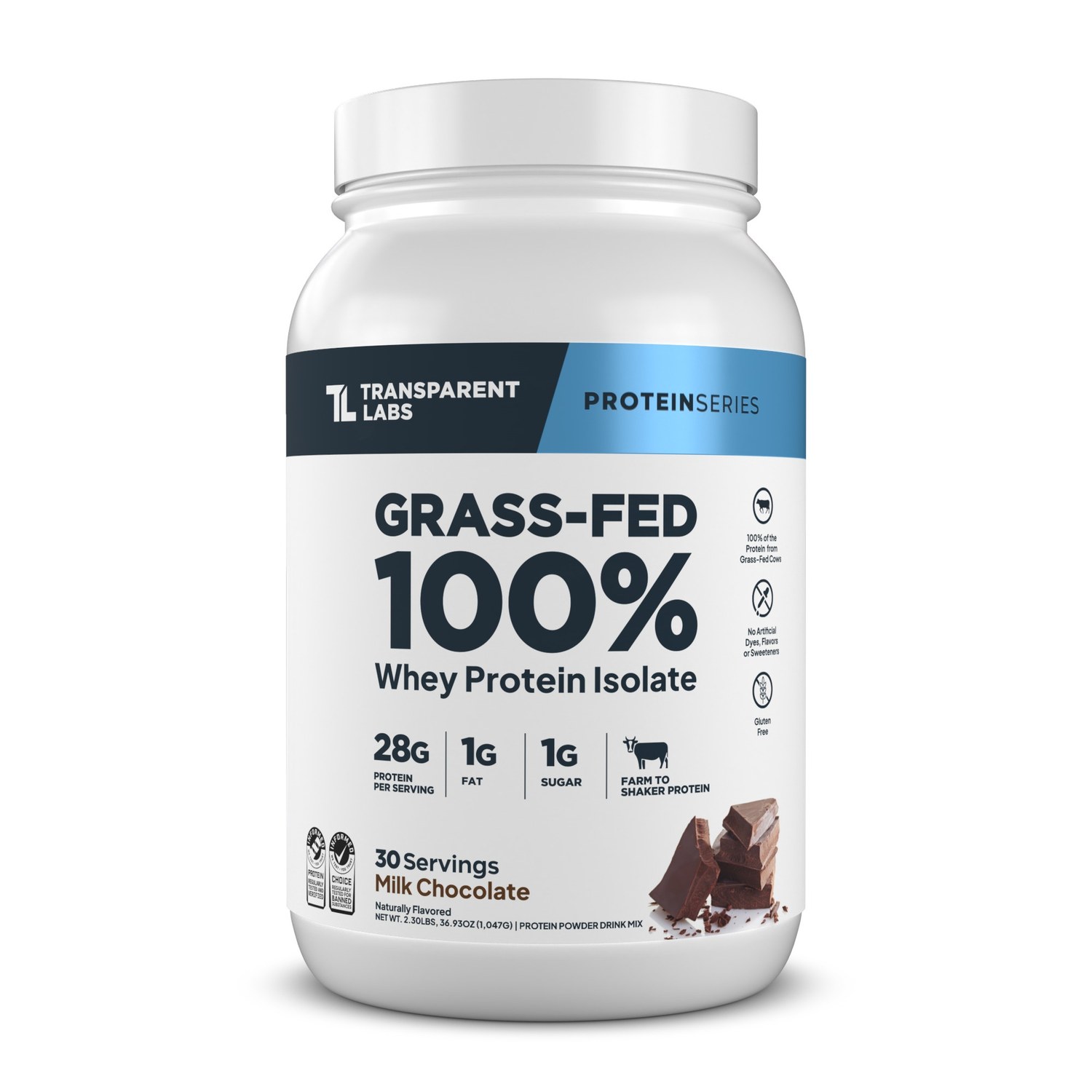
Transparent Labs Grass-Fed Whey Isolate
Top flavors: Milk Chocolate, Vanilla, Cinnamon French Toast, Strawberry
The cleanest label on a whey isolate. Grass-fed whey isolate delivering a generous 28 g of protein, sweetened only with stevia, and nothing artificial: no fillers, no gums, no dyes, no fake colors. It is Informed Choice tested and the obvious pick for people who read every line of an ingredient panel. The honest trade-offs are a slightly thinner, grittier texture than gum-stabilized powders and a faint stevia note that a few people pick up.
- 28 g protein, highest in this group
- Grass-fed isolate, no artificial anything
- Stevia sweetened, fully transparent label
- Informed Choice tested
- Texture thinner and grittier than gum-stabilized powders
- Stevia note not for everyone
- Sold mostly direct, fewer retail flavors
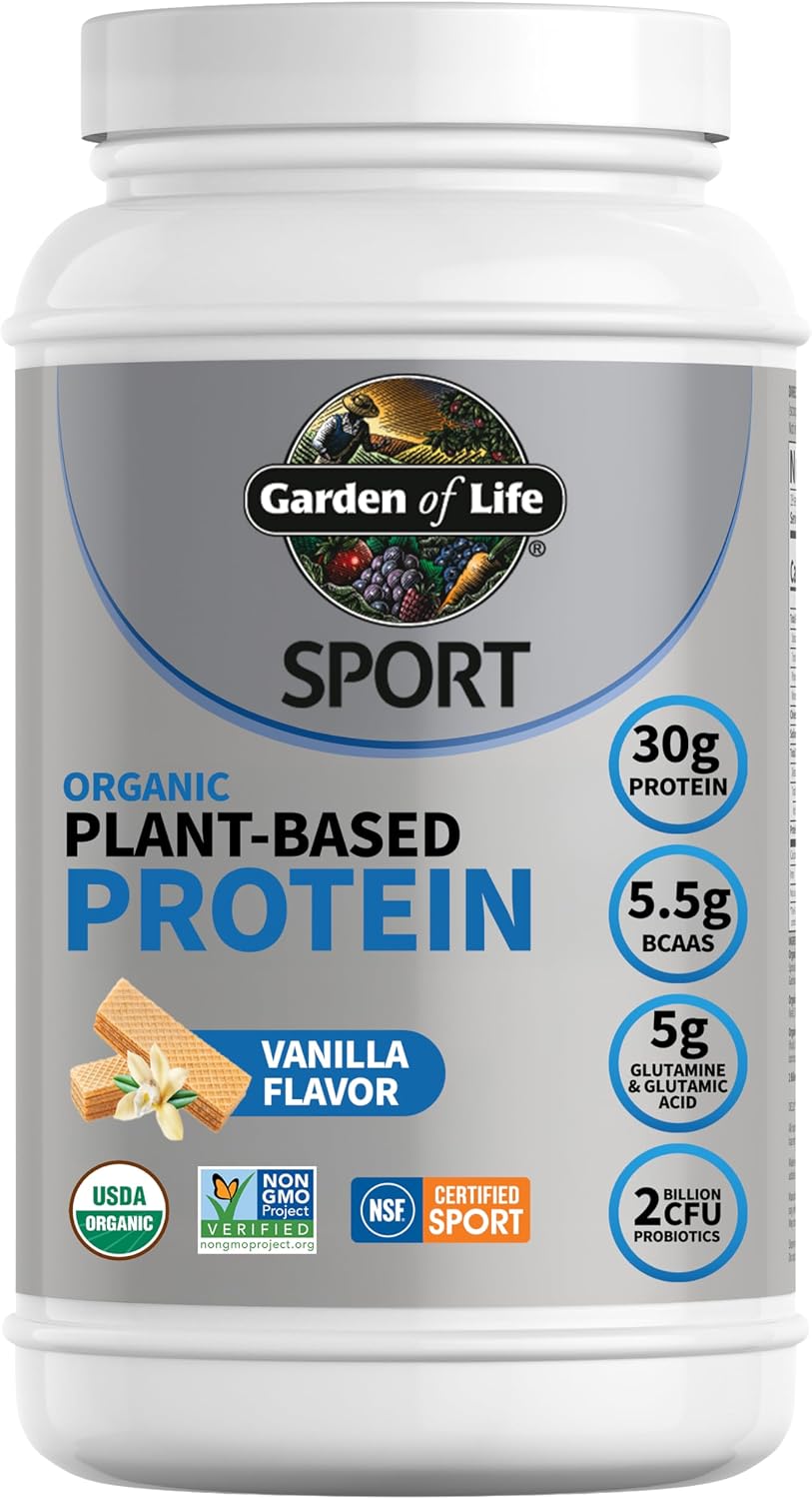
Garden of Life Sport Organic Plant Protein
Top flavors: Chocolate, Vanilla
The plant powder that earns athlete trust. A pea-and-sprout blend delivering 30 g of protein per serving, USDA Organic, and the only product here carrying NSF Certified for Sport, the strictest banned-substance certification made. That combination makes it the plant pick for drug-tested athletes and anyone who wants maximum quality assurance without dairy. Plant protein is naturally grainier and earthier than whey, and the serving is two scoops, but the formula and certification are genuinely best-in-class.
- 30 g organic plant protein, dairy-free
- NSF Certified for Sport, the strictest seal
- Added BCAAs plus a probiotic blend
- Vegan, no added sugar
- Grainier, earthier texture than whey
- 160 calories from a two-scoop serving
- Among the pricier picks per serving
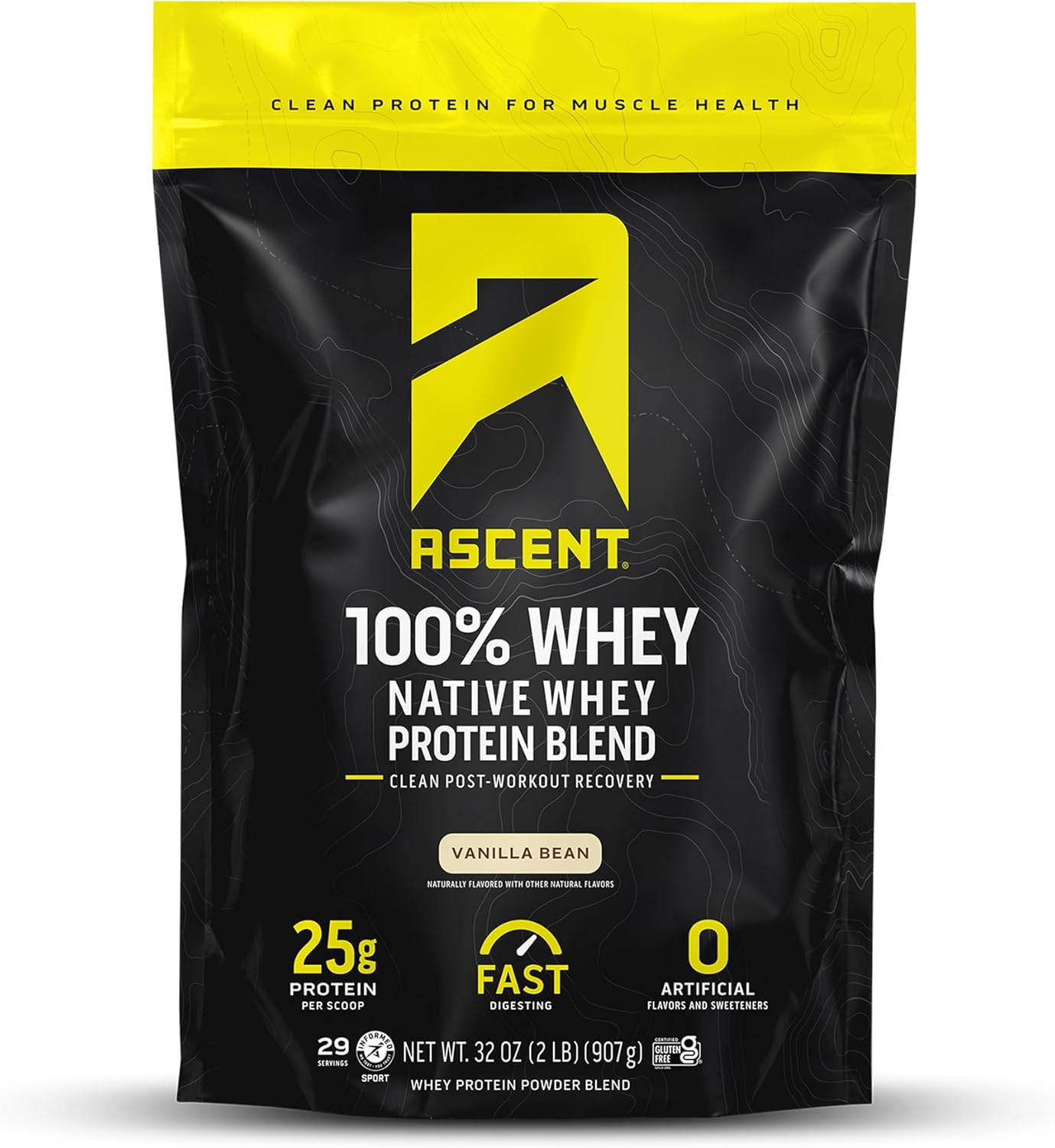
Ascent Native Fuel Whey
Top flavors: Chocolate, Vanilla Bean, Cinnamon Bun, Chocolate Peanut Butter
The best-tasting clean whey for the money. Ascent uses native whey, filtered straight from fresh milk rather than left over from cheesemaking, with 25 g of protein, real-food flavoring, stevia, and Informed Sport testing. It mixes smooth, tastes like a treat, and lands under a dollar a serving. No artificial sweeteners and no junk at this price is genuinely rare, which is why it is the easiest everyday whey to recommend after the top three.
- Native whey, no artificial sweeteners
- Excellent flavor and mixability
- Informed Sport tested
- Under $1 per serving
- A blend of isolate and concentrate, not pure isolate
- Fewer flavors than the big brands
- Contains some lactose
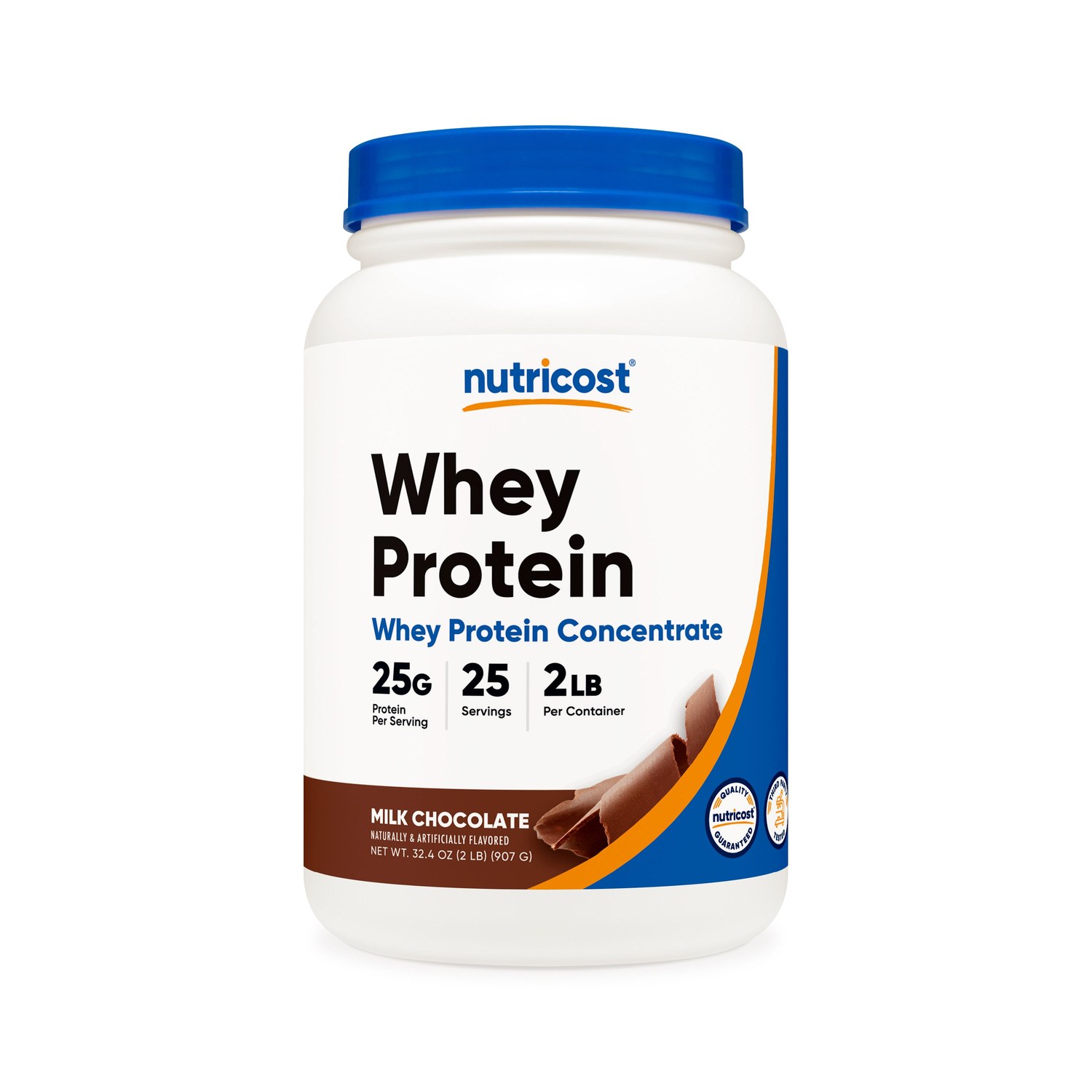
Nutricost Whey Protein Concentrate
Top flavors: Chocolate, Vanilla, Unflavored, Strawberry Milkshake
The budget workhorse. At roughly 70 cents a serving, Nutricost whey concentrate is one of the cheapest legitimate 25 g proteins you can buy, in large tubs and plain, reliable flavors that do the job. The honest caveat is the testing claim: Nutricost says its products are third-party tested, but the line does not carry an independent banned-substance seal like Informed Choice or NSF, so we treat that as self-verified rather than certified. For everyday shakes on a budget, where you just want cheap, decent protein, it delivers.
- One of the lowest costs per serving
- Solid 25 g protein per scoop
- Big tubs, simple flavors, easy to find
- Unflavored option for cooking and baking
- No independent banned-substance certification
- Concentrate, so more lactose and carbs than isolate
- Flavor and texture are fine, not premium
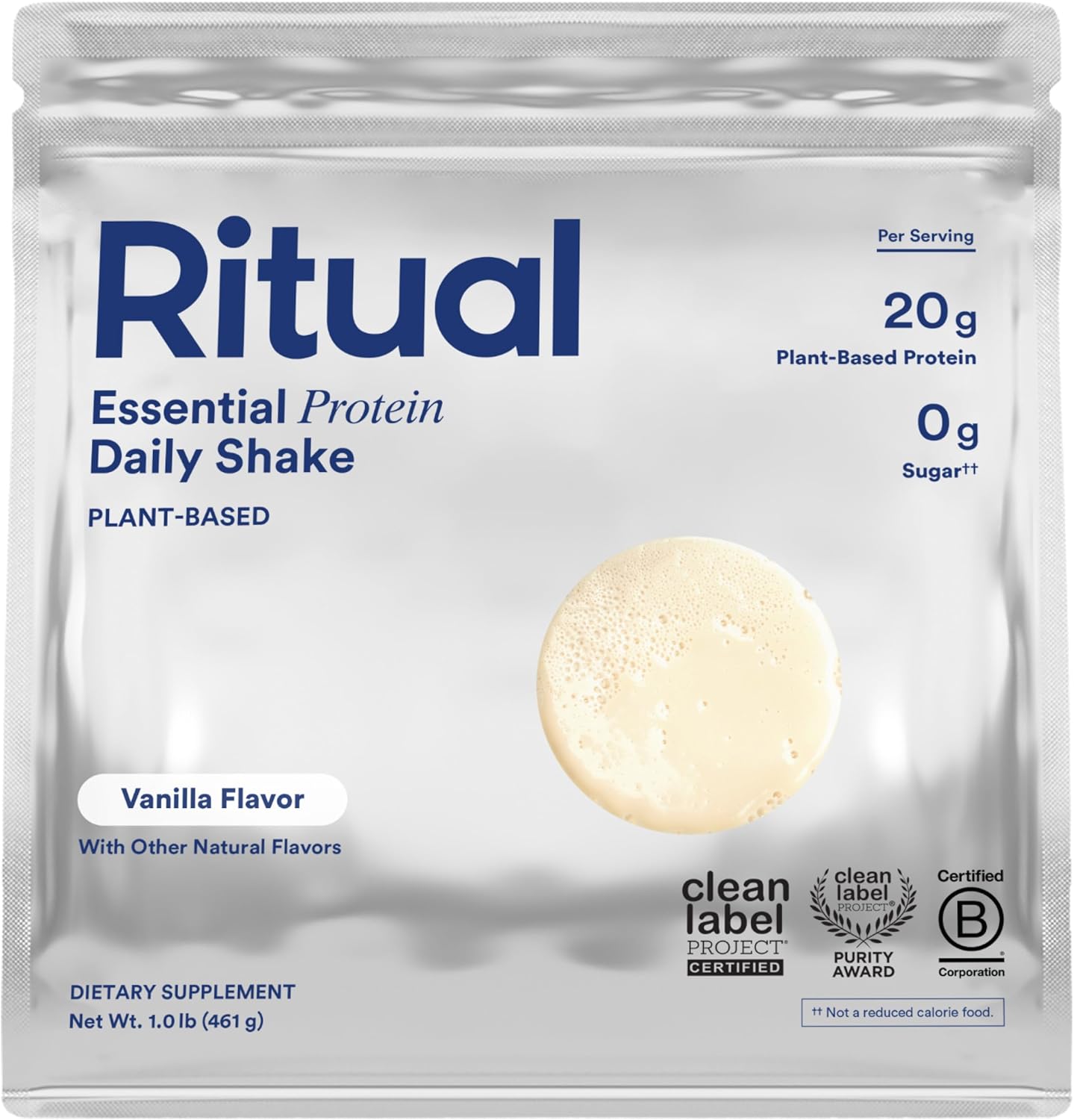
Ritual Essential Protein
Top flavors: Vanilla, Chocolate Cacao, Unflavored
The minimalist's plant protein. Ritual keeps it deliberately simple: 20 g of pea protein traceable to its source, sweetened with stevia and monk fruit, and carrying both Informed Sport and NSF Contents Certified seals. The protein dose is the lowest here and the flavor is understated rather than dessert-like, so this is not the pick if you want a milkshake. But for clean, traceable, genuinely well-tested plant protein with a short ingredient list, very few brands are this transparent.
- Traceable, single-source pea protein
- Informed Sport and NSF Contents Certified
- Short, transparent ingredient list
- Added vitamin C and an absorption blend
- Only 20 g protein per serving, the lowest here
- Mild, not dessert-like flavor
- Premium price for the protein dose
The full lineup, side by side
All figures are per single serving as labeled. The fastest way to read this table is to start with protein per scoop, then check the type and the testing column.
| Product | Protein | Calories | Type | Added sugar | Third-party | ~ Price / serving |
|---|---|---|---|---|---|---|
| ON Gold Standard | 24 g | 120 | Whey blend | 0 g | Informed Choice | $1.10 |
| Dymatize ISO100 | 25 g | 120 | Hydrolyzed isolate | 0 g | Informed Choice | $2.46 |
| Transparent Labs | 28 g | 130 | Grass-fed isolate | 0 g | Informed Choice | $2.00 |
| Garden of Life Sport | 30 g | 160 | Plant blend | 0 g | NSF Certified for Sport | $2.40 |
| Ascent Native Fuel | 25 g | 130 | Native whey | 0 g | Informed Sport | $0.93 |
| Nutricost Whey | 25 g | 130 | Concentrate | 2 g | Brand-tested only | $0.70 |
| Ritual Essential | 20 g | 110 | Pea protein | 0 g | Informed Sport | $2.00 |
Prices are approximate per-serving estimates from current Amazon pack sizes and change often. Label values are per single scoop or serving and can vary slightly by flavor.
How to choose the right one for you
Whey or plant?
Whey is a complete protein with a high leucine content, digests quickly, and is slightly more effective gram for gram at stimulating muscle growth, which is why it is the default for most people. Modern plant blends that pair pea with other sources and top up the leucine close most of that gap. Choose plant if you are vegan, lactose intolerant, or simply prefer it. Both build muscle just fine when your total daily protein is where it needs to be.
Isolate, concentrate, or hydrolysate?
Concentrate is the least filtered and cheapest, with a bit more fat, carbs, and lactose. Isolate is filtered further for more protein per scoop and minimal lactose. Hydrolysate, like ISO100, is isolate that has been partially broken down for the fastest digestion. If dairy bothers you or you want the leanest macros, pay up for isolate. If your stomach is fine and you want value, a quality concentrate gives you the same muscle-building protein for less.
Why third-party testing matters
The supplement industry is lightly regulated, and protein powders have a real history of label inaccuracy and, in plant proteins especially, heavy-metal contamination. Independent programs (Informed Choice, Informed Sport, NSF Certified for Sport) test finished tubs for banned substances and confirm the label. If you are a drug-tested athlete it is essential; for everyone else it is a strong signal of a brand that stands behind its product. We dig into the plant-protein contamination question in our look at pea protein.
How much protein you actually need
For general health, about 0.8 grams per kilogram of body weight is the baseline, but if you train for muscle or strength, roughly 1.6 to 2.2 grams per kilogram per day is the range most research supports, spread across meals. Powder is just a convenient way to top up the total. Aim to get most of your protein from whole foods and use a shake to fill the gaps. Women have specific considerations worth reading in our guide to protein for women.
Cost per serving
A daily shake adds up over a year, so price per serving is worth a look. Budget concentrates like Nutricost run around 70 cents, mid-range whey like Ascent lands under a dollar, and premium isolates and certified plant proteins climb past two dollars. Match the spend to the job: a certified product for a tested athlete, a value tub for everyday shakes.
Frequently asked questions
What is the best protein powder?
For most people, Optimum Nutrition Gold Standard 100% Whey is the best all-round pick because it balances 24 g of protein per scoop, a wide range of well-liked flavors, Informed Choice testing, and a fair price better than anything else. If you want the purest, fastest-digesting whey, Dymatize ISO100 hydrolyzed isolate is the upgrade. If you avoid dairy, Garden of Life Sport is the best plant-based choice.
Is whey or plant protein better?
Whey is a complete protein with a high leucine content and is slightly more effective gram for gram at stimulating muscle protein synthesis, so it is the default for most people. Modern plant blends that combine pea with other sources and add extra leucine close the gap and are the right choice if you avoid dairy, are lactose intolerant, or prefer a vegan product. Both build muscle when your total daily protein is adequate.
How much protein do I actually need per day?
General health guidelines suggest about 0.8 grams per kilogram of body weight, but people training for muscle or strength generally do better at roughly 1.6 to 2.2 grams per kilogram per day, spread across meals. Protein powder is just a convenient way to top up the total. Whole foods should still do most of the work, with a shake filling the gaps around training or busy days.
Is whey isolate worth it over concentrate?
Isolate is filtered further than concentrate, so it has more protein per scoop, less fat and carbohydrate, and very little lactose. If you are lactose intolerant, watching calories closely, or want the cleanest macros, isolate is worth the higher price. If your stomach handles dairy fine and you want value, a quality concentrate gives you the same muscle-building protein for less money.
What does third-party tested or Informed Choice mean?
Independent programs like Informed Choice, Informed Sport, and NSF Certified for Sport test finished products for label accuracy and for banned substances and contaminants. A product carrying one of these seals has been verified by an outside lab, not just the manufacturer. It matters most for competitive athletes who are drug tested and for anyone who wants extra assurance that what is on the label is in the tub.
When should I drink a protein shake?
Timing matters far less than your total daily protein. A shake is useful whenever it helps you hit your target: after training, as a quick breakfast, or between meals. The old idea of a narrow anabolic window right after exercise has been overstated. Spreading protein across the day in roughly even doses is more important than any single perfectly timed shake.
The bottom line
The best protein powder is the one that fits your goals, your gut, and your budget, and that you will actually drink. For most people, that is Optimum Nutrition Gold Standard, because it balances protein, taste, testing, and price like nothing else. Want the purest, gentlest whey, step up to Dymatize ISO100. Read every ingredient and you will love Transparent Labs. Skip dairy and Garden of Life Sport is the certified plant pick. Want great taste for less, grab Ascent. On a budget, Nutricost delivers, and for a clean, minimalist plant option there is Ritual. Pick the protein per scoop and the testing that match your needs, then let consistency, not the label, do the work. And remember to pair it with creatine if your goal is strength, since the two are the most evidence-backed pairing in the gym.