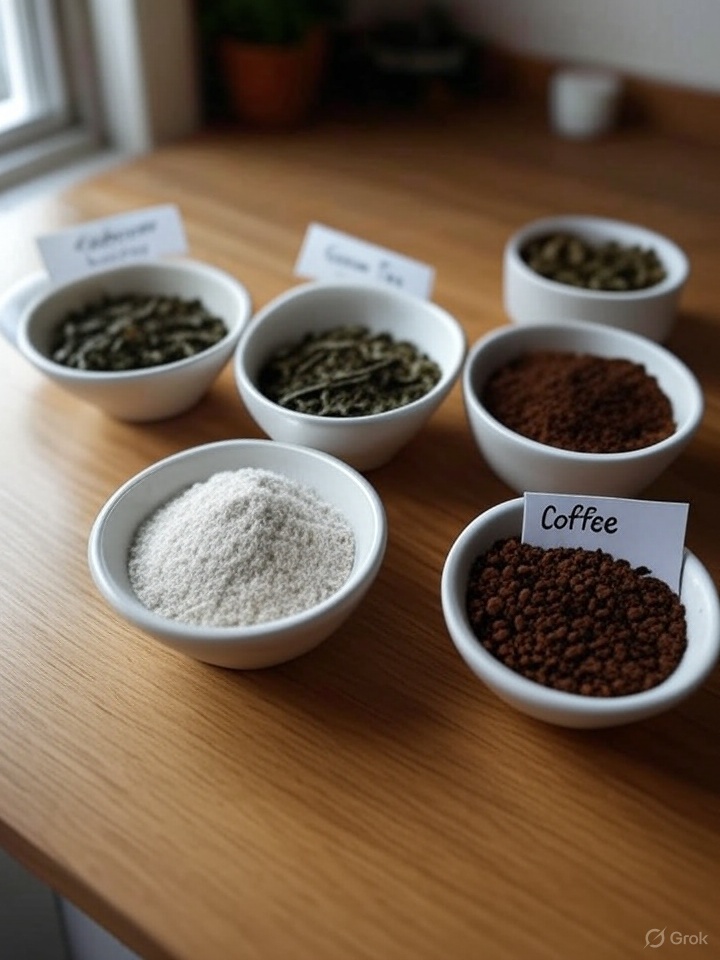
When it comes to boosting energy, sharpening focus, and improving physical performance, caffeine is king. But not all caffeine is created equal. Many supplements use caffeine anhydrous, a synthetic, dehydrated form of caffeine, while others rely on natural sources like green tea, guarana, or yerba mate. So which is better—and what ingredients pair well with caffeine for maximum benefit?
Let’s dive into the differences, the science, and the ideal stacks.
☕ Caffeine Anhydrous vs Natural Caffeine: What's the Difference?
Feature
Caffeine Anhydrous
Natural Caffeine
Source
Lab-synthesized or extracted and dehydrated from natural caffeine
Found in coffee beans, green tea, guarana, yerba mate, cacao, etc.
Absorption
Rapid, with a quick spike in energy
Slower absorption due to coexisting phytochemicals like polyphenols
Common Uses
Pre-workouts, fat burners, nootropics
Natural energy drinks, teas, plant-based supplements
Typical Dosage
100–300 mg
Depends on the source (e.g., 100 mg in green tea extract = ~40–50 mg caffeine)
⚙️ How Does Caffeine Work
Caffeine primarily works by blocking adenosine receptors in the brain. Adenosine is a neurotransmitter that promotes sleep and relaxation. By blocking it, caffeine increases dopamine and norepinephrine, resulting in heightened alertness, improved mood, and better reaction time.
It also enhances epinephrine (adrenaline), increasing physical endurance and strength, and stimulates thermogenesis, boosting calorie burning.
📊 Clinical Dosages & Research
Caffeine Anhydrous:
- Performance & Focus:
- 100–300 mg has been shown to improve endurance, alertness, and reaction time.
- One study in trained athletes found that 200 mg improved performance during high-intensity exercise.
- Another study (Nehlig, 2010) showed improved cognitive function at 100 mg.
Natural Caffeine Sources:
- Green Tea Extract (EGCG + Caffeine):
- 250–500 mg extract (delivers ~50–100 mg caffeine) improves alertness and fat oxidation.
- Guarana Extract:
- 75–150 mg guarana (contains ~12–50 mg caffeine depending on concentration) enhances memory and attention span.
- Yerba Mate:
- 1g of dried leaves (~80 mg caffeine) supports mental clarity and fat metabolism.
- These also provide antioxidants, polyphenols, and theobromine for smoother, sustained energy.
⚖️ Pros & Cons
Caffeine Anhydrous Pros:
- Precise dosing
- Quick onset
- Often cheaper
Caffeine Anhydrous Cons:
Natural Caffeine Pros:
- Smoother onset and longer-lasting energy
- Includes health-promoting compounds like L-theanine, chlorogenic acid, and flavonoids
- Lower chance of side effects
Natural Caffeine Cons:
- Inconsistent caffeine content
- May require larger dosages for equivalent effects
🌿 Best Ingredients to Stack with Caffeine
Ingredient
Function
Clinical Dose
Synergy
L-Theanine
Reduces anxiety & smooths caffeine stimulation
100–200 mg
Great with caffeine for calm focus (1:1 ratio ideal)
Adaptogen for stress, stamina & brain function
200–400 mg (3% rosavins)
Enhances mood & mental energy
Supports dopamine under stress or fatigue
500–2000 mg
Improves focus under pressure
Panax Ginseng
Increases cognitive function & physical stamina
200–400 mg
Synergistic with caffeine for energy
Citicoline (Cognizin®)
Boosts mental performance & dopamine
250–500 mg
Combines well with caffeine for focus and memory
Theobromine
Mild stimulant from cacao
100–300 mg
Sustained energy, complements caffeine
⚠️ Side Effects & Safety
Whether natural or synthetic, high doses of caffeine can cause:
- Jitters
- Anxiety
- Insomnia
- Rapid heart rate
- Increased blood pressure
- Dependency and withdrawal headaches
The FDA considers up to 400 mg/day of caffeine safe for most healthy adults. However, people with anxiety disorders, cardiovascular issues, or sensitivities should start with lower doses (50–100 mg) and assess tolerance.
✅ Final Thoughts: Which Is Better?
If you're looking for precision and fast results, caffeine anhydrous might be for you—especially in pre-workouts and nootropic stacks.
But if you want a gentler lift, fewer side effects, and some added health benefits, natural sources of caffeine like green tea or guarana are excellent choices. They shine in daily energy supplements, wellness stacks, and nootropic blends designed for long-term use.
Pro tip: For the best of both worlds, choose a supplement that combines low-dose caffeine with L-theanine, adaptogens, or nootropics—a balanced, smart energy stack.