Ashwagandha is the most popular adaptogen, and it has earned some of the hype: there is reasonable evidence that it lowers stress and cortisol, eases anxiety, and improves sleep, with weaker support for strength, recovery, and testosterone. But the single most important buying decision is the extract. Almost all of the human research used branded, standardized extracts, not the cheap generic root powder that fills many bottles. So before anything else, check which extract is in the product.
Three branded extracts dominate the studies: KSM-66 (root-only, about 5% withanolides, the most-researched, dosed 300 to 600 mg), Sensoril (root and leaf, about 10% withanolides, more sedating, dosed 125 to 250 mg), and Shoden (about 35% withanolides, high-potency). Match the extract to your goal and you get the benefits the trials found. We ranked the ashwagandha worth buying on Amazon on exactly this basis. For the deeper background, see our explainer on KSM-66 ashwagandha and our guide to lowering cortisol naturally.
The short version
- Best overall: Sports Research Organic Ashwagandha. KSM-66, organic, third-party tested, and cheap.
- Best value: Nutricost KSM-66, the lowest price on a real clinical-grade extract.
- Best for sleep: Life Extension Optimized Ashwagandha, using the more sedating Sensoril.
- The extract is everything. Buy KSM-66, Sensoril, or Shoden; avoid bottles that just say "ashwagandha root powder."
- Safety: avoid in pregnancy; use caution with thyroid, autoimmune, or liver issues and sedative or thyroid meds.
How we ranked them
With ashwagandha, the supplier and standardization matter more than the brand on the front. We weighed five things:
- The extract. Branded, clinically-studied extracts (KSM-66, Sensoril, Shoden) rank above generic high-percentage extracts, which rank above unspecified root powder.
- Withanolide standardization. A stated, standardized withanolide content so you know the potency you are getting.
- Dose matched to the extract. The amount the specific extract was actually studied at (600 mg for KSM-66, ~125 mg for Sensoril), not just a big number.
- Form, testing, and sourcing. Reliable capsules over sub-dosed gummies, third-party testing, and organic or traceable sourcing.
- Value. Price per serving for the dose the research supports.
Scores are our editorial assessment on a five-point scale, not customer ratings.
The 7 best ashwagandha supplements
Tap any product to jump straight to its full review.
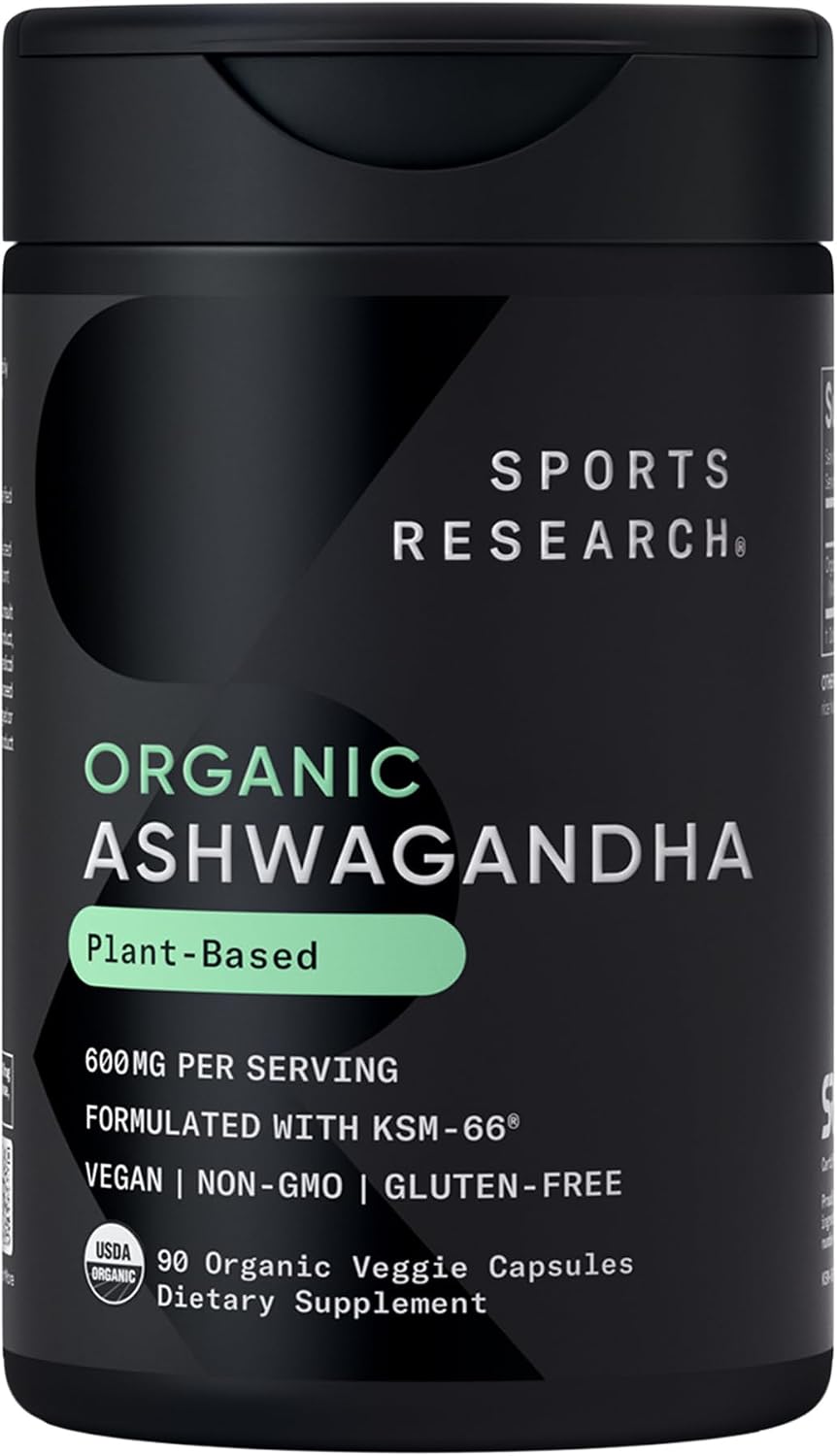
Sports Research Organic Ashwagandha
Best for: a clinically-studied extract, done cleanly
The best of both worlds: the clinically-studied KSM-66 root extract and USDA Organic certification, in a clean vegan capsule, for around 22 cents a serving. KSM-66 is the most-researched ashwagandha extract, used in the trials on stress, cortisol, and strength, and getting it organic and third-party tested at this price makes it the easy default for most people.
- KSM-66, the most-studied extract
- USDA Organic + Non-GMO Verified + third-party tested
- Clean vegan capsule, root-only
- Excellent value (~$0.22/serving)
- Withanolide % not printed on the label
- No absorption enhancer like BioPerine
- 600 mg in one capsule (some trials split the dose)
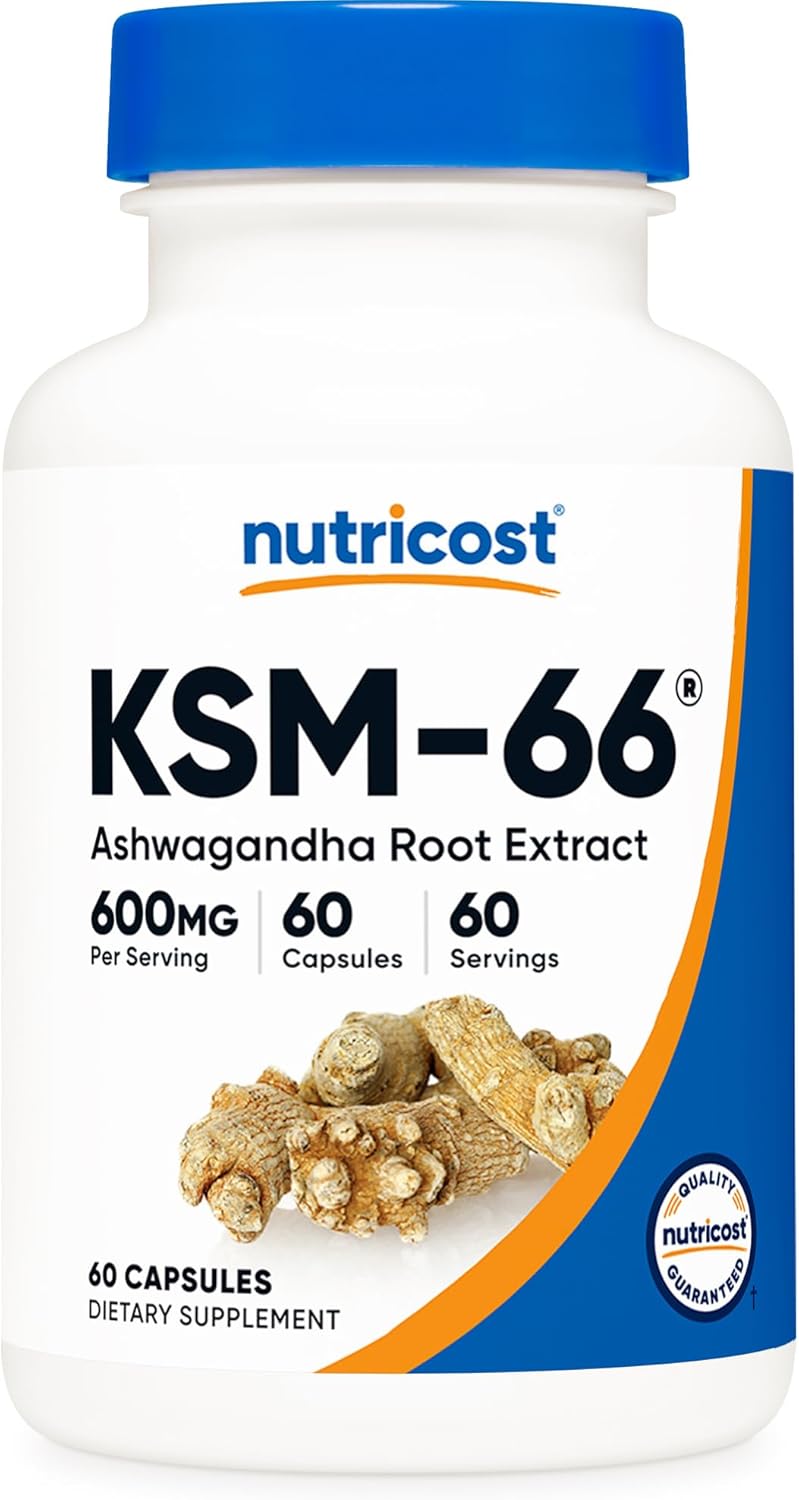
Nutricost KSM-66 Ashwagandha
Best for: the lowest price on real KSM-66
The cheapest way into real KSM-66. The same 600 mg of the gold-standard root extract, standardized to 5% withanolides, plus BioPerine for absorption, at a rock-bottom price. It is third-party tested and non-GMO. Not organic, and it uses magnesium stearate, but for a legitimate clinical-grade extract this is the value benchmark.
- Authentic KSM-66, 5% withanolides (30 mg/cap)
- Adds BioPerine for absorption
- Among the cheapest legitimate extracts
- Third-party tested, non-GMO, gluten-free
- Not organic
- Contains magnesium stearate
- 60-count is a smaller bottle
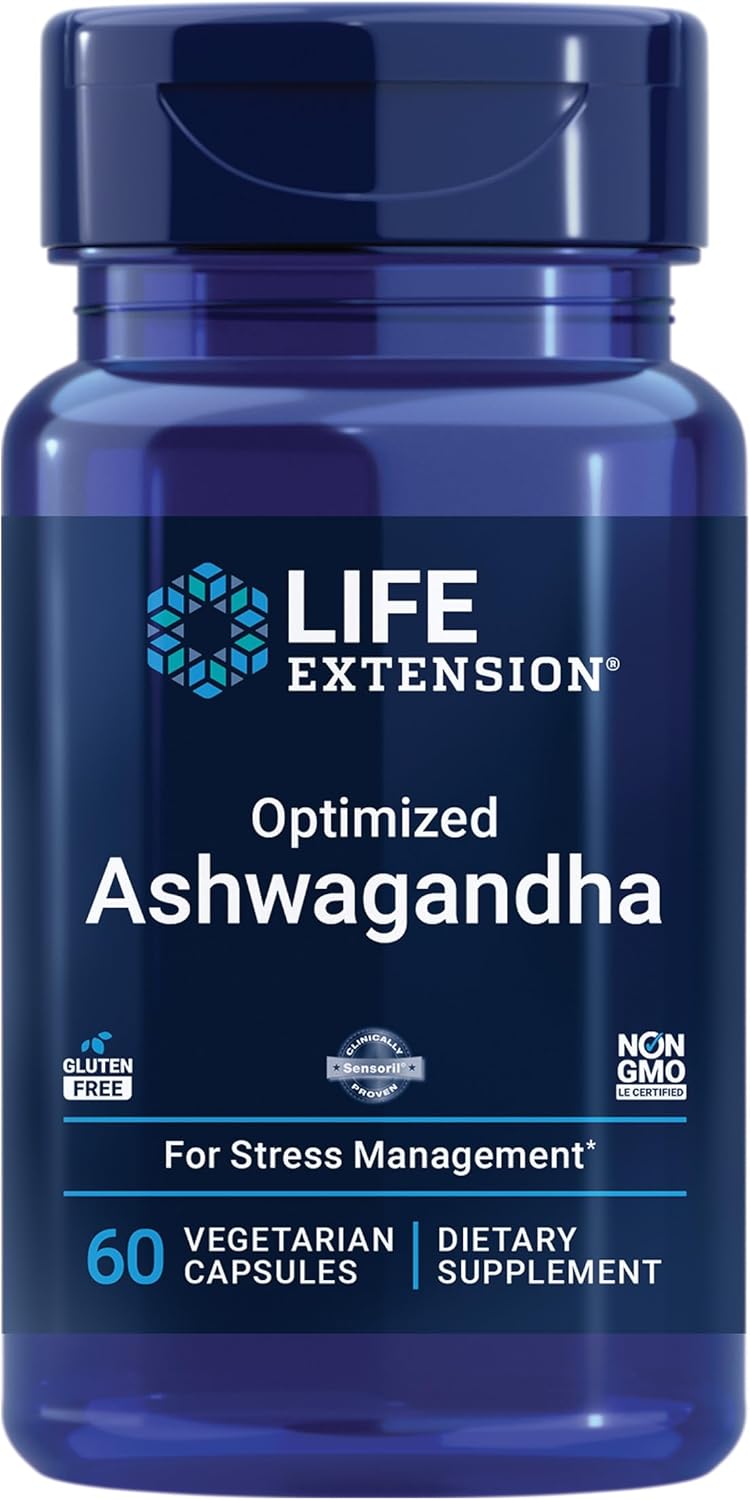
Life Extension Optimized Ashwagandha
Best for: sleep and evening stress
The pick when sleep and calm are the goal. It uses Sensoril, the root-and-leaf extract standardized to a high 10% withanolides, which tends to be more sedating than KSM-66, at the low 125 mg dose its trials used. Properly standardized and well priced. Because it leans calming, it suits the evening more than daytime energy.
- Sensoril, the clinically-studied root + leaf extract
- High 10% withanolide standardization
- Low, gentle dose ideal for stress and sleep
- Non-GMO, gluten-free, vegetarian
- 125 mg is a small dose next to KSM-66 products
- Can be too sedating for daytime use
- Single ingredient, no extras
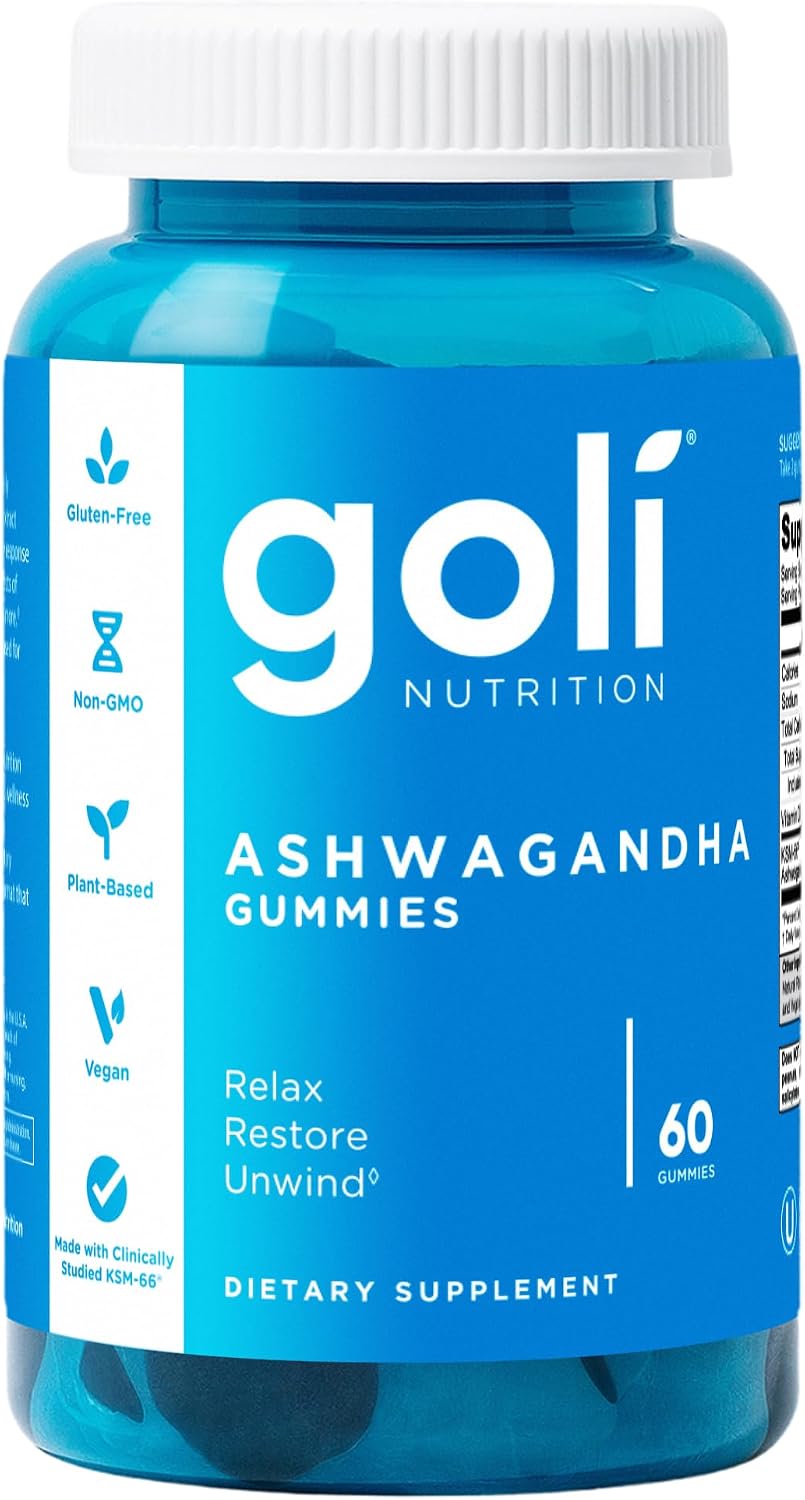
Goli Ashwagandha Gummies
Best for: people who won't take a capsule
The one people actually enjoy taking. Real clinically-studied KSM-66 in a tasty berry gummy, plus added vitamin D. The honest catch: a 2-gummy serving is 300 mg, so to hit the 600 mg dose the research uses you take four a day, which adds up to about 4 grams of sugar and burns through a bottle in two weeks. Great for consistency, less so for value.
- Real KSM-66 in a genuinely tasty gummy
- Easy to take consistently
- Added vitamin D
- Vegan, non-GMO, gluten-free
- A 2-gummy serving is only 300 mg (4/day for the studied dose)
- About 4 g added sugar at the full dose
- Priciest per effective dose
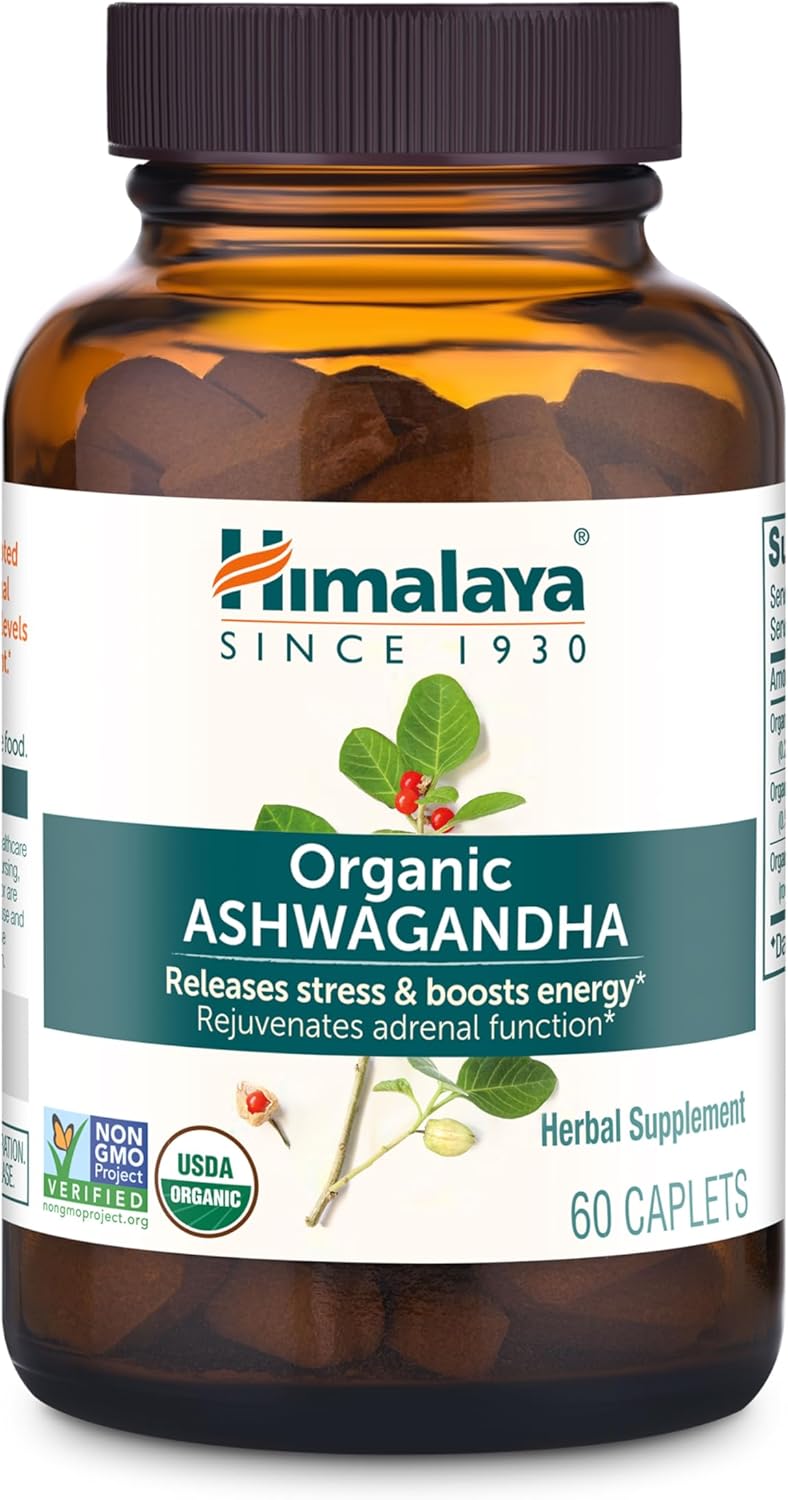
Himalaya Organic Ashwagandha
Best for: traditionalists who want organic whole root
The traditional, whole-root option. Rather than an isolated branded extract, Himalaya uses an organic blend of root powder and root extract, the form closest to how ashwagandha has been used for centuries, USDA Organic and Non-GMO Verified, for about 31 cents a caplet. It is gentle and clean, but it is not standardized to a clinical withanolide spec, so the potency is less defined than KSM-66 or Sensoril.
- USDA Organic, Non-GMO Verified whole root
- Traditional, gentle approach
- Cheap (~$0.31), one-caplet dose
- No fillers or additives
- Not a branded, clinically-studied standardized extract
- No single headline withanolide %
- Potency less defined than KSM-66/Sensoril
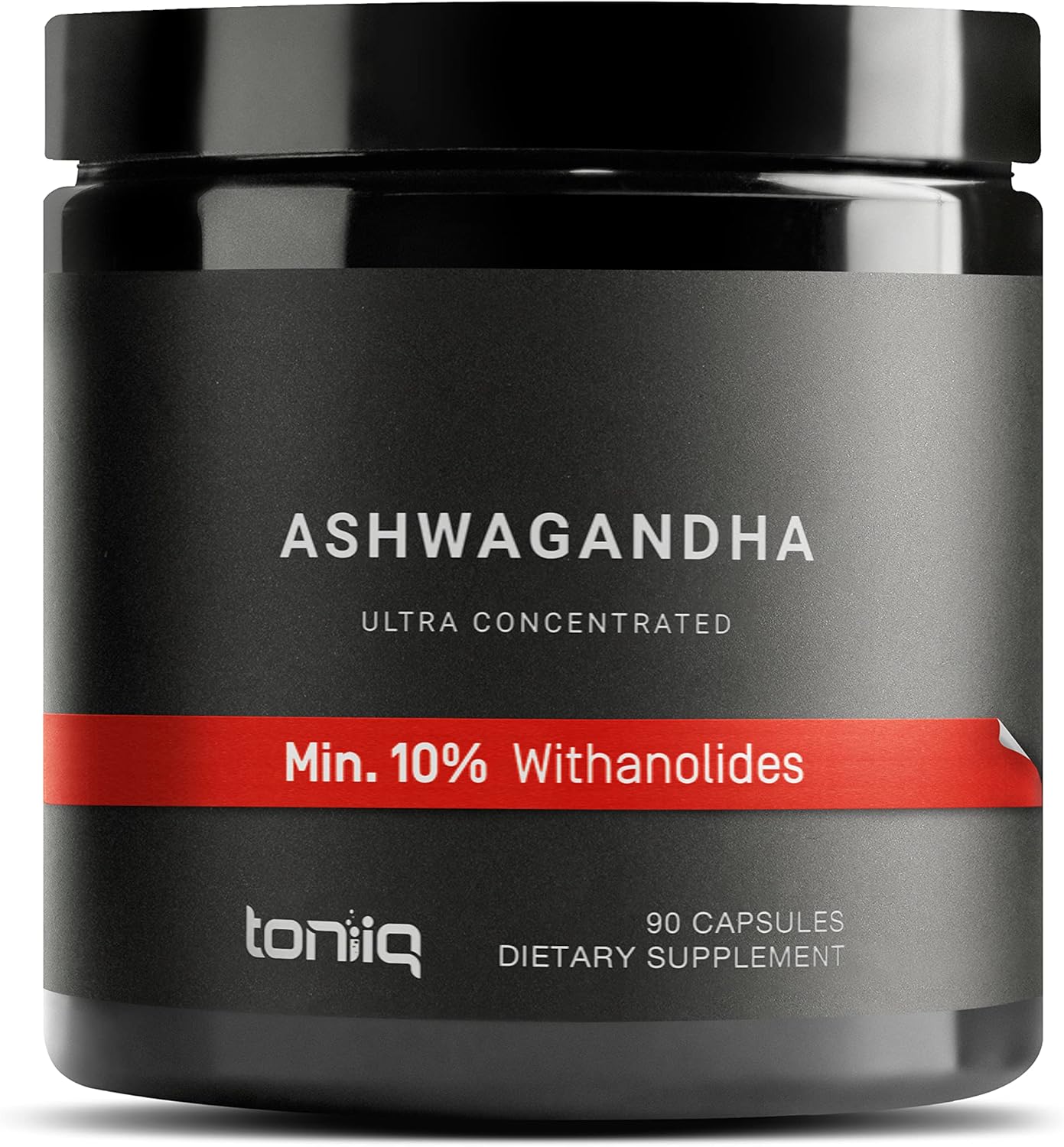
Toniiq Ashwagandha
Best for: maximum withanolides per dollar
The potency play. Toniiq packs a highly concentrated 20:1 extract standardized to 10% withanolides, more raw withanolide content per capsule than most, third-party tested, and cheap. The honest caveat: this is a generic high-percentage extract, not one of the branded, clinically-studied extracts, so it rides on concentration rather than human-trial pedigree. If you want a branded high-potency option specifically, look for Shoden.
- Very high 10% withanolide concentration
- Third-party tested with a COA
- GMP, USA-made, vegan capsules
- Cheap per serving
- Generic extract, not a branded clinical one (KSM-66/Sensoril/Shoden)
- Evidence rides on potency, not human trials
- No absorption enhancer
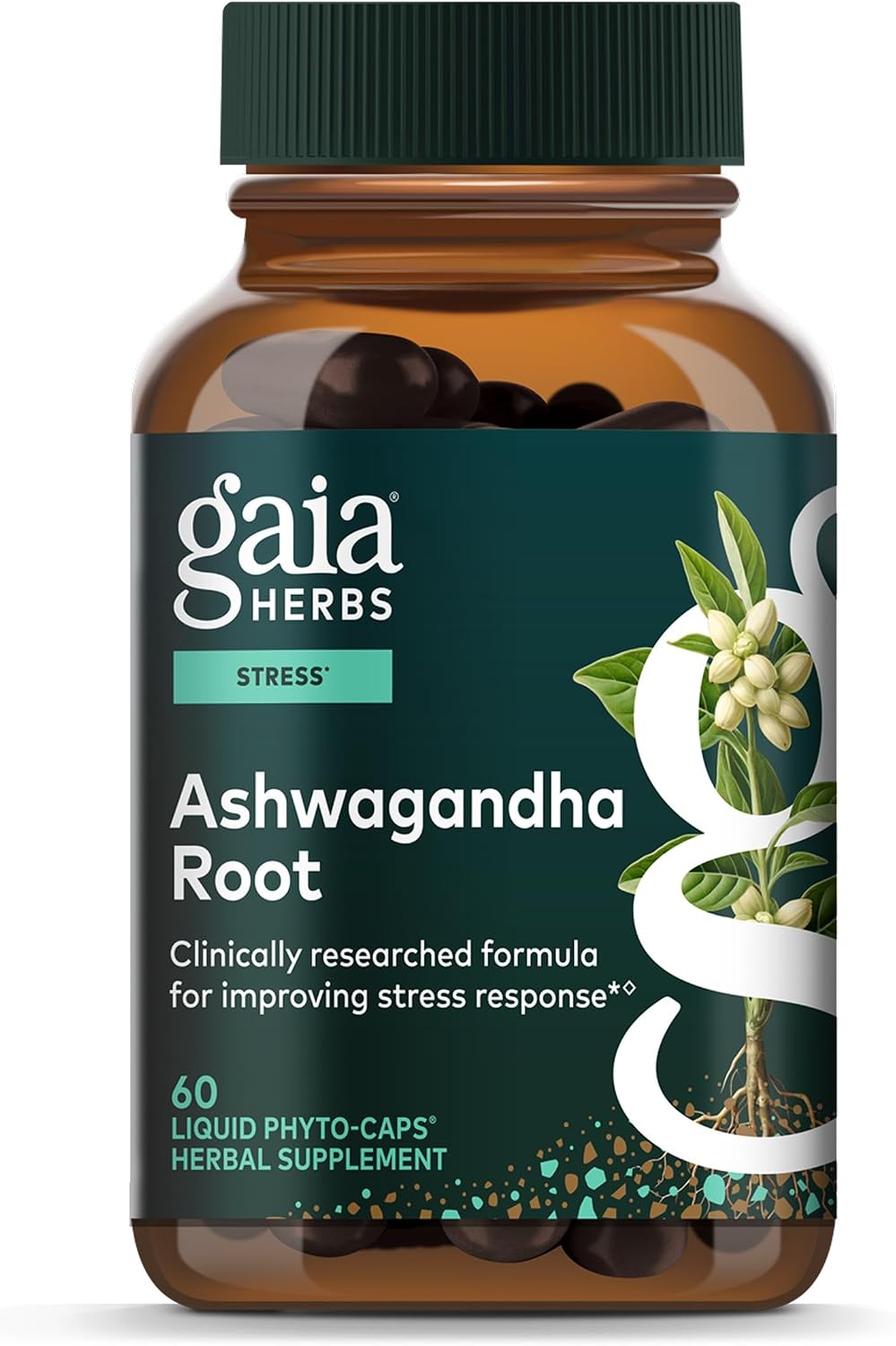
Gaia Herbs Ashwagandha Root
Best for: clean sourcing and traceability over potency
The purist's choice. Gaia uses an organic, fully traceable ashwagandha root in its signature liquid phyto-cap, the cleanest sourcing here, with farm-to-extract transparency. It is a whole-root product rather than a high-withanolide standardized extract, so the active content is modest; you are paying for organic quality and traceability, not raw potency.
- Organic, fully traceable root (farm-to-extract)
- Clean liquid phyto-cap delivery
- Vegan, gluten/dairy/soy-free
- Trusted herbal brand
- Not a branded clinical extract
- Low, unstated withanolide content
- Pricier per active dose
The full lineup, side by side
The fastest way to read this table: look at the extract first (a branded KSM-66, Sensoril, or Shoden beats a generic extract or plain root), then the dose and price.
| Product | Extract | Withanolides | Dose | Form | Tested | ~ Price / serving |
|---|---|---|---|---|---|---|
| Sports Research | KSM-66 | 5% | 600 mg | Capsule | USDA Organic | $0.22 |
| Nutricost | KSM-66 | 5% | 600 mg | Capsule | 3rd-party | $0.28 |
| Life Extension | Sensoril | 10% | 125 mg | Capsule | Non-GMO | $0.38 |
| Goli | KSM-66 | 5% | 300 mg / 2 gummies | Gummy | Non-GMO | $0.83 |
| Himalaya | Organic root | standardized | 670 mg | Caplet | USDA Organic | $0.31 |
| Toniiq | 20:1 (generic) | 10% | 1,300 mg / 2 caps | Capsule | 3rd-party | $0.55 |
| Gaia Herbs | Organic root | low | 700 mg / 2 caps | Liquid cap | USDA Organic | $0.84 |
KSM-66, Sensoril, and Shoden are the branded, clinically-studied extracts; "generic" and "organic root" products are not standardized to the same clinical spec. Doses are not directly comparable across extracts (Sensoril works at a much lower mg than KSM-66). Prices are approximate per-serving estimates and change often.
How to choose the right one for you
Start with the extract, not the brand
This is the decision that matters. Look for a branded, standardized extract: KSM-66 if you want the most-studied all-rounder, Sensoril if your focus is sleep and calm, or Shoden if you want the highest potency. A generic "high-percentage" extract like Toniiq can be potent but lacks the human-trial backing, and a bottle that just says "ashwagandha root powder" with no standardization is the one to skip.
Match the extract to your goal
KSM-66 (root-only, ~5% withanolides) is the choice for general stress, daytime use, strength, and sexual health. Sensoril (root and leaf, ~10% withanolides) is more sedating, so it suits sleep and evening stress, and it works at a much lower dose. If a product is more calming than you want for the daytime, switch to KSM-66, and vice versa.
Get the dose right for that extract
Doses are not interchangeable. KSM-66 is studied at 300 to 600 mg a day, Sensoril at 125 to 250 mg, and Shoden at around 60 to 120 mg. A 125 mg Sensoril capsule is not "weaker" than a 600 mg KSM-66 capsule; they are different extracts at their own effective doses. Watch out for gummies, which often deliver a sub-clinical amount per serving.
Form, testing, and sourcing
Capsules are the most reliable and best value. Gummies are convenient but usually under-dosed and sugary, and liquid phyto-caps are clean but often lower in withanolides. Third-party testing and organic or traceable sourcing are worth paying a little more for, especially with an imported botanical.
Mind the safety cautions
Ashwagandha is generally well tolerated, but it is not for everyone. There are rare reports of liver injury, so stop if you notice symptoms like jaundice or unusual fatigue. Avoid it during pregnancy, and use caution if you have thyroid or autoimmune conditions, or take sedatives or thyroid medication, since it can interact. When in doubt, check with your doctor, and see our guide to lowering cortisol naturally for non-supplement options too.
Frequently asked questions
What is the best ashwagandha supplement?
For most people, a KSM-66 product is the best choice, because KSM-66 is the most-studied standardized extract. Sports Research Organic Ashwagandha is our top pick (KSM-66, organic, third-party tested) and Nutricost is the best value. If your goal is sleep and calm, a Sensoril product like Life Extension Optimized Ashwagandha is better. The key is buying a branded, standardized extract rather than generic root powder.
KSM-66 vs Sensoril: which is better?
They suit different goals. KSM-66 is a root-only extract standardized to about 5% withanolides, dosed at 300 to 600 mg, and is the most-studied for stress, strength, and sexual health. Sensoril is a root-and-leaf extract standardized to about 10% withanolides, dosed lower at 125 to 250 mg, and tends to be more sedating, which makes it better for sleep and stress. Neither is universally better; match it to your goal.
How much ashwagandha should I take?
It depends on the extract. KSM-66 is typically taken at 300 to 600 mg a day, Sensoril at 125 to 250 mg, and the high-potency Shoden extract at around 60 to 120 mg. Take it with food, be consistent, and give it four to eight weeks. More is not necessarily better, so follow the dose the specific extract was studied at.
Is ashwagandha safe, and what are the side effects?
Ashwagandha is generally well tolerated, with the most common side effects being drowsiness or mild stomach upset. There are rare reports of liver injury, so stop and see a doctor if you notice symptoms like jaundice or unusual fatigue. Avoid it in pregnancy, and use caution if you have thyroid or autoimmune conditions or take sedatives or thyroid medication. Talk to your doctor if any of these apply.
Should I take ashwagandha in the morning or at night?
It depends on the product and how it affects you. KSM-66 can be taken any time; some people take it in the morning for daytime stress and others in the evening. More sedating extracts like Sensoril are usually better at night. Take it with food, and remember that consistency from day to day matters more than the exact timing.
Do ashwagandha gummies work?
They can, if they contain a real dose of a standardized extract. Goli, for example, uses clinically studied KSM-66, but a two-gummy serving is only 300 mg, so you need four gummies a day to reach the 600 mg dose the research uses, which adds sugar and shortens the bottle. Gummies are great for consistency but usually a worse value than capsules.
The bottom line
With ashwagandha, the extract is the whole game. Buy a branded, standardized one and you get the benefits the research found. For most people that means KSM-66, which is why Sports Research Organic is our top pick and Nutricost the value version. Reach for Life Extension with Sensoril for sleep, Goli if a gummy keeps you consistent, Himalaya for organic whole root, Toniiq for raw potency, and Gaia for clean, traceable sourcing. Match the extract and dose to your goal, take it with food for four to eight weeks, and mind the pregnancy, thyroid, and liver cautions.