Vitamin C is the supplement almost everyone has taken and almost no one buys carefully. The honest truth changes how you should shop: your body can only absorb so much at once, roughly 200 mg per dose is taken up efficiently, and the gram-sized megadoses on most labels are largely excreted in your urine. The form matters less than the marketing claims, the famous cold-prevention benefit mostly is not real, and only a few products carry a genuine quality seal. This guide ranks the best vitamin C supplements on what actually matters, real third-party testing, a sensible dose and form, added extras, and price, and it is candid about where the category oversells.
The short story: for most people, Nature Made Vitamin C is the best pick, because it is the rare vitamin C with an independent USP seal at a budget price. From there, each product wins a specific job, from a certified practitioner option to gentle buffered and whole-food choices.
The short version
- Best overall and value: Nature Made Vitamin C, a real USP Verified seal for around a nickel a day.
- Absorption saturates: about 200 to 500 mg is well absorbed; gram-sized megadoses are mostly excreted (the upper limit is 2,000 mg).
- The cold myth: routine vitamin C does not prevent colds in most people, though it may modestly shorten one.
- Form is mostly preference: buffered and Ester-C are gentler, whole-food and liposomal cost more for unproven edges.
How we ranked them
Almost every vitamin C delivers plenty of the vitamin, so quality verification and sensible formulation did the deciding. We weighed five things:
- Third-party testing. A real, independent seal (USP, NSF) ranks highest, honestly separated from "GMP facility" and unnamed "brand-tested" claims. See how to read a label.
- Form and dose. Ascorbic acid, buffered, Ester-C, whole-food, or liposomal, matched to a sensible dose given that vitamin C absorption saturates.
- Gentleness. Buffered and Ester-C forms for sensitive stomachs.
- Added extras. Bioflavonoids or rose hips, weighed honestly rather than as a headline.
- Value. Cost per serving for a long-term daily habit.
Scores are our editorial assessment on a five-point scale, not customer ratings. Per-serving prices are approximate and change often.
The 7 best vitamin C supplements
Tap any product to jump straight to its full review.
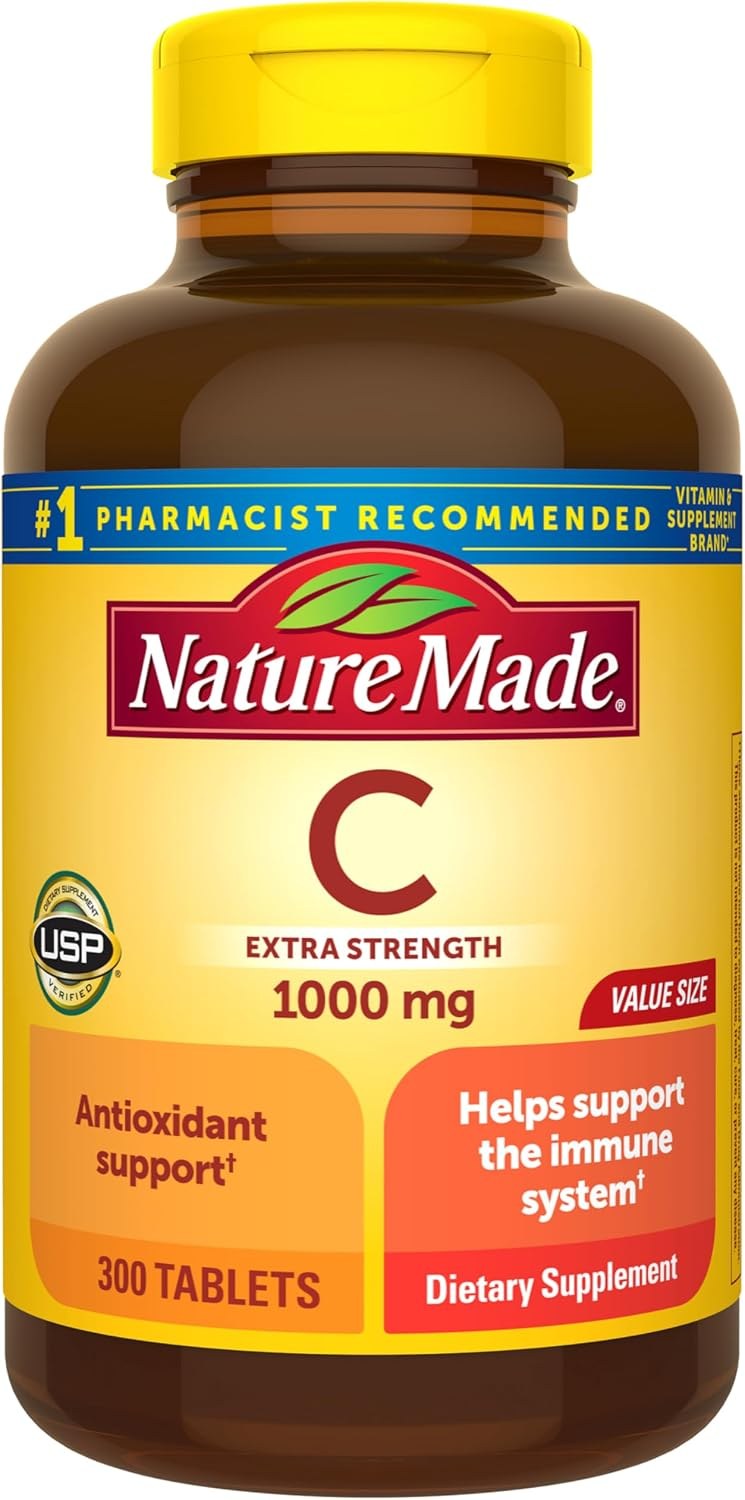
Nature Made Vitamin C 1000 mg
Best for: A genuinely verified vitamin C at a budget price
The honest winner. Nature Made gives you 1,000 mg of straightforward ascorbic acid and, crucially, is one of the very few vitamin C products with a genuine USP Verified seal, an independent check of identity, potency, and purity, for around a nickel a serving. For the vast majority of people who just want reliable, verified vitamin C, nothing here beats that combination of trust and price. The only real caveat is the dose: at 1,000 mg it is well past the absorption ceiling, so much of each tablet is excreted. If that bothers you, split it or pick a lower-dose option below.
- Genuine USP Verified seal
- Cheapest cost per serving here
- Simple, no-frills ascorbic acid
- Huge 300-count bottle
- 1,000 mg is past the absorption ceiling
- No bioflavonoids or extras
- Acidic form for very sensitive stomachs
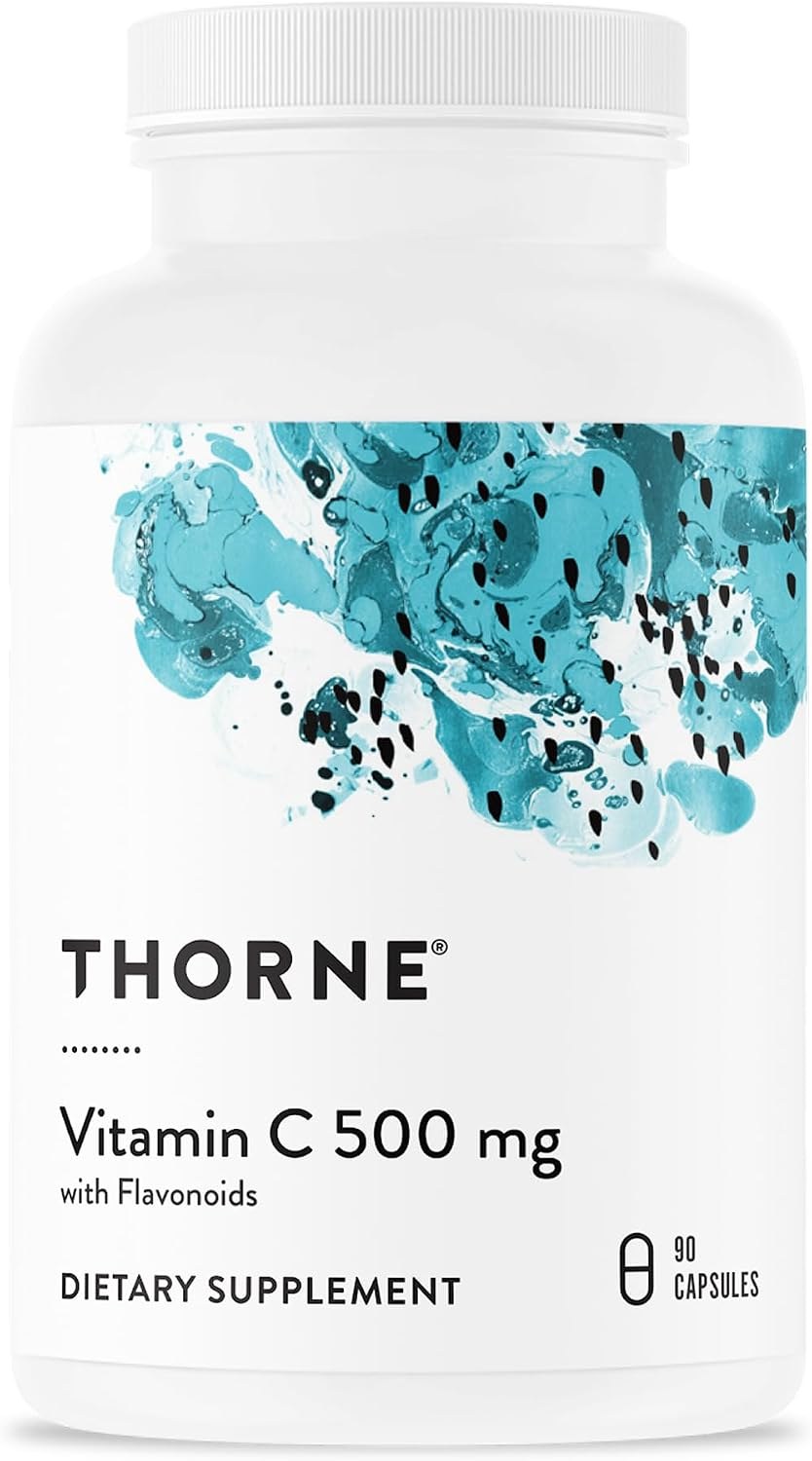
Thorne Vitamin C with Flavonoids
Best for: A certified, sensibly dosed option
The certified, smartly dosed choice. Thorne pairs 500 mg of vitamin C with citrus flavonoids, and it is the only pick here carrying NSF Certified for Sport, the athlete-grade seal with per-batch banned-substance testing. The 500 mg dose is actually a feature: it sits much closer to the absorption ceiling than the 1,000 mg tablets, so more of it is used and less wasted, and you can take a second capsule if you want more. The honest trade-off is price, you pay a premium per milligram, but for certified quality and a sensible dose it is well worth it.
- NSF Certified for Sport (only one here)
- Sensible 500 mg, better absorbed
- Citrus flavonoids included
- Clean, trusted practitioner brand
- Premium price per milligram
- Smaller 90-count bottle
- Need two caps to reach 1,000 mg
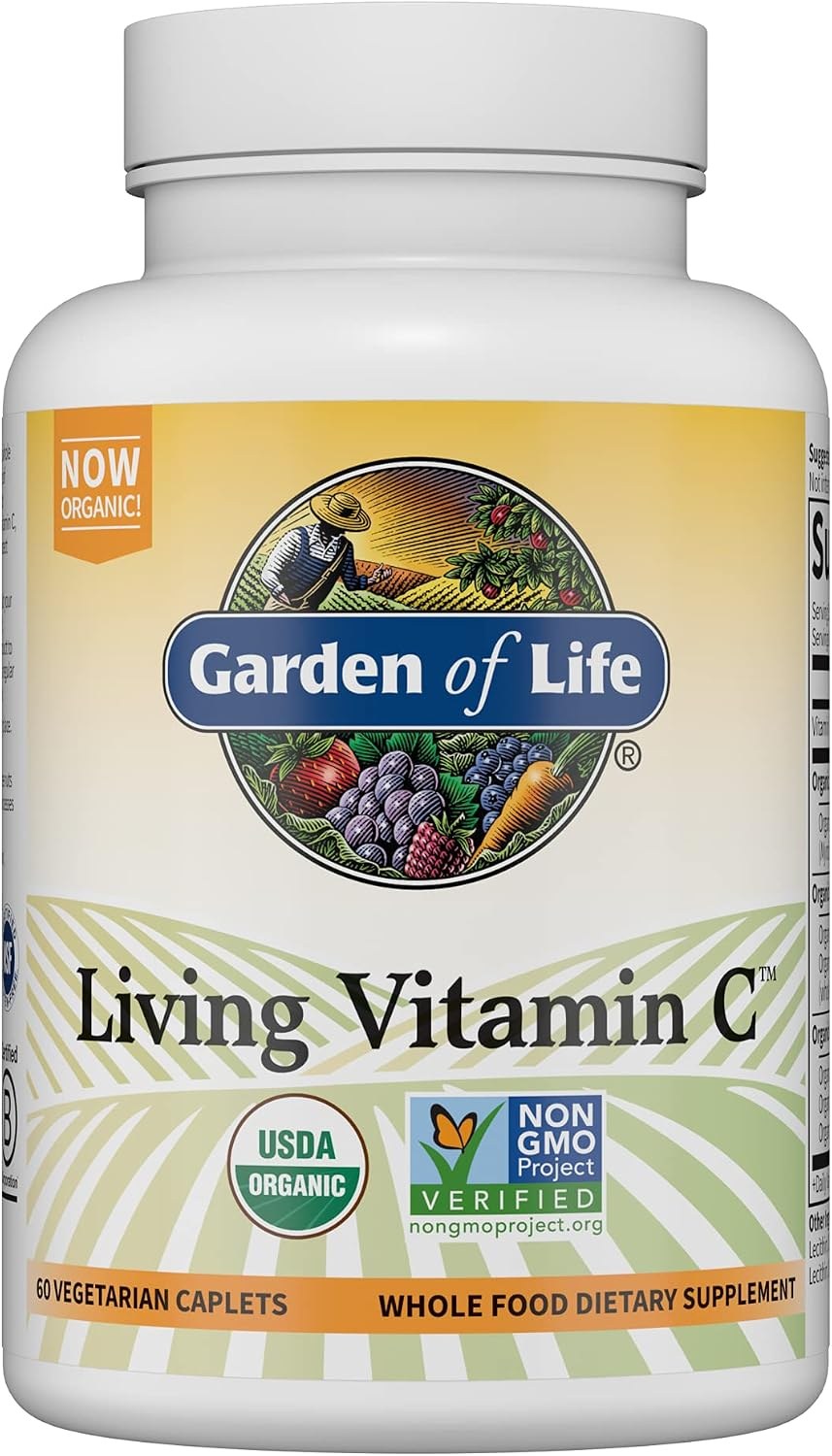
Garden of Life Living Vitamin C
Best for: Food-derived vitamin C at a sensible dose
The whole-food pick done right. Garden of Life's Living Vitamin C delivers 250 mg from organic acerola cherry and camu camu plus citrus bioflavonoids, and it carries two real seals, USDA Organic and Non-GMO Project Verified. Two things make it genuinely sensible rather than just trendy: the dose sits right in the well-absorbed range, and the certifications are legitimate. The honest notes: it is the most expensive per milligram of vitamin C here, and "whole-food" vitamin C is not proven more effective than plain ascorbic acid once you match the dose. If you value food-derived and organic, it is the one to get.
- Genuinely food-derived (acerola, camu camu)
- USDA Organic + Non-GMO Project seals
- Sensible 250 mg dose
- Bioflavonoids and berry blend
- Priciest per mg of vitamin C
- "Whole-food" edge unproven vs ascorbic acid
- Small 30-serving bottle
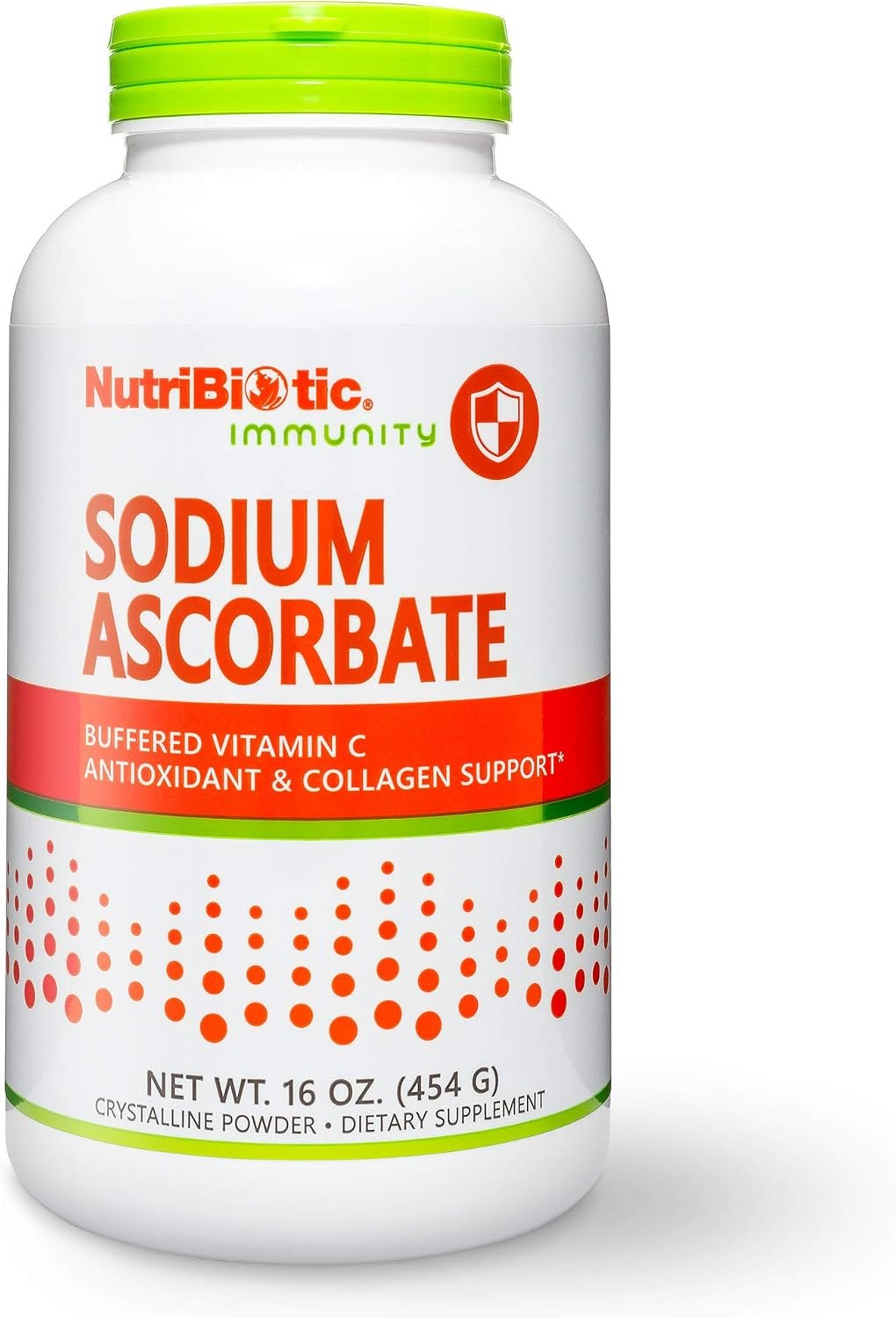
NutriBiotic Sodium Ascorbate
Best for: Sensitive stomachs and flexible dosing
The gentle, dose-it-yourself option. NutriBiotic is 100% sodium ascorbate, a buffered, non-acidic form in a plain powder, which makes it ideal for sensitive stomachs and for keeping your dose near the absorption sweet spot (just use a smaller scoop). It is also excellent value per gram. The honest notes: each serving adds about 120 mg of sodium, which matters if you watch your salt; the powder is less convenient than a tablet; and "USP-FCC grade" refers to the raw-material spec, not a finished-product USP seal.
- Non-acidic, easy on the stomach
- Powder lets you dial the dose
- Great value per gram
- Single ingredient, no fillers
- Adds ~120 mg sodium per serving
- Powder is less convenient
- Raw-material grade, not a USP seal
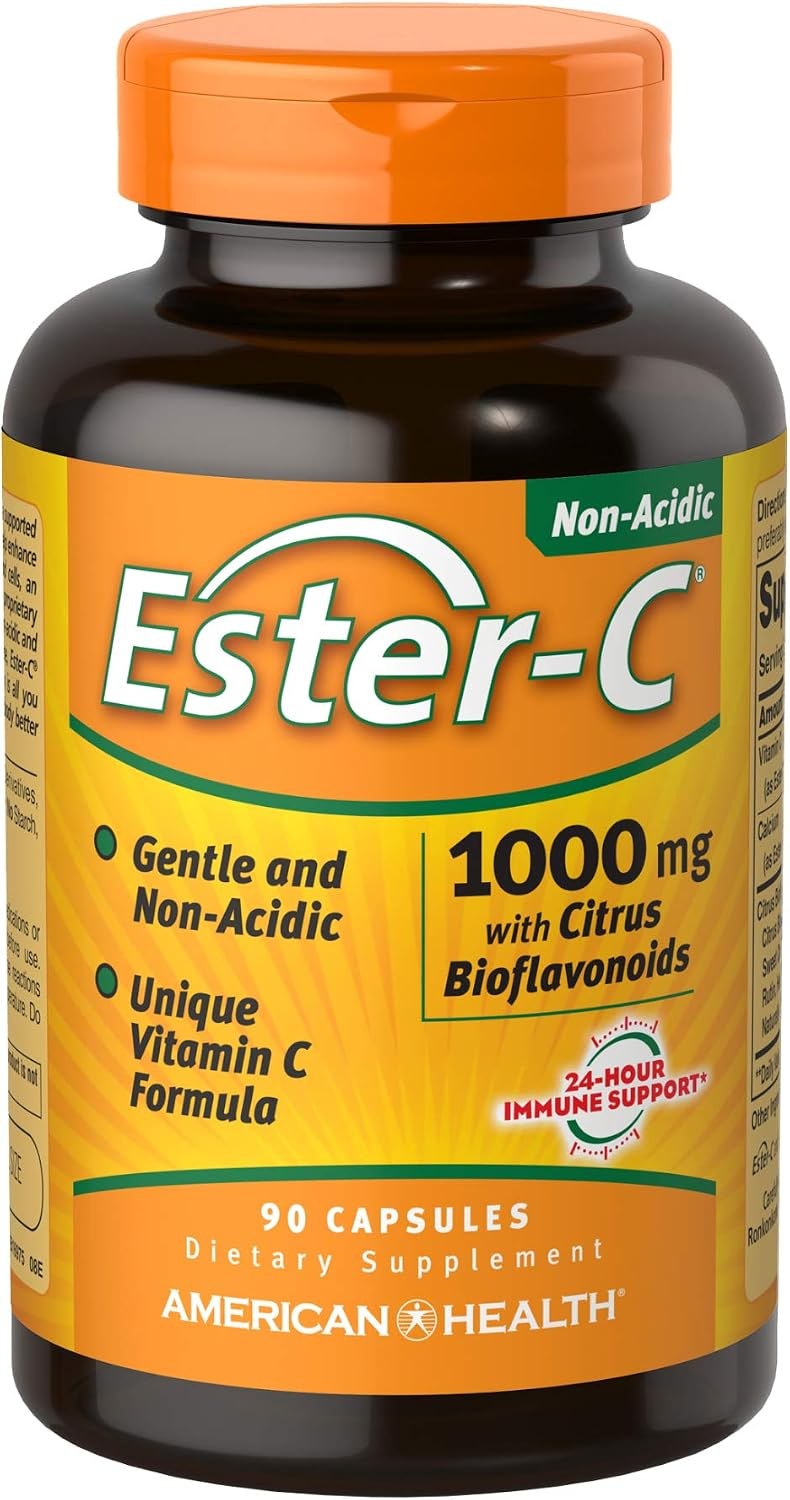
American Health Ester-C 1000 mg
Best for: The original gentle, pH-neutral vitamin C
The famous gentle one. Ester-C is calcium ascorbate (pH-neutral) with citrus bioflavonoids, the original patented "non-acidic" vitamin C that many people with sensitive stomachs swear by, taken once daily. It is a solid, well-tolerated choice if acidity is your issue and you prefer a capsule to powder. The honest reality: it is priced at a premium for a "gentler" benefit that has thin head-to-head evidence versus plain buffered vitamin C, and it carries no USP or NSF product seal, just brand-level non-GMO and gluten-free claims.
- pH-neutral, gentle on the stomach
- Once-daily, includes bioflavonoids
- Well-known, widely available
- Premium for a thinly proven edge
- No USP/NSF product seal
- Adds calcium
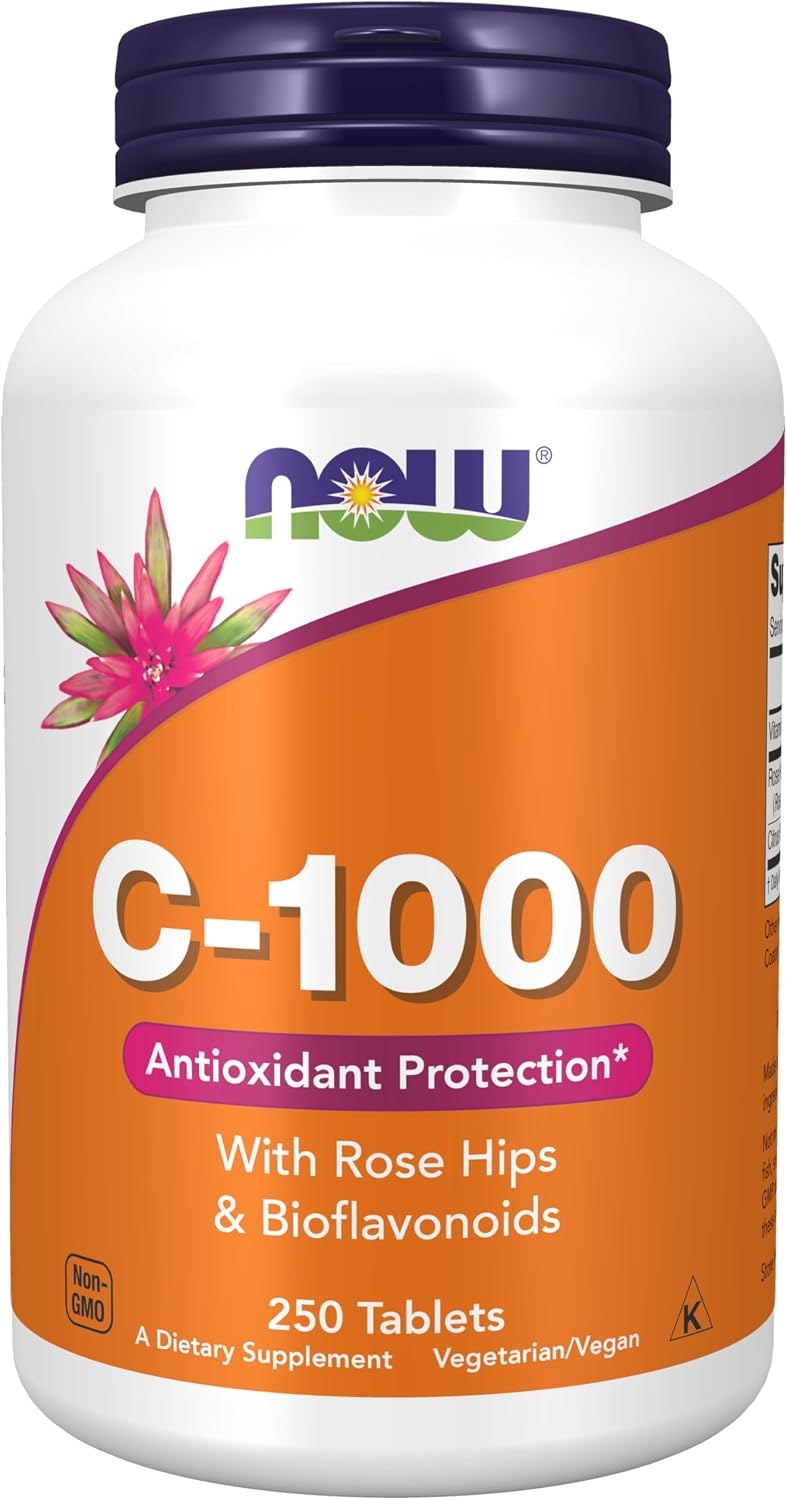
NOW Vitamin C-1000 with Rose Hips
Best for: A cheap time-release with extras
The value pick with a smart wrinkle. NOW's C-1000 combines 1,000 mg of sustained-release ascorbic acid with rose hips and citrus bioflavonoids, very cheaply. The sustained-release design is a genuine nod to the saturation problem: spreading the dose out over a couple of hours lets your body absorb more of it than a single hit would. The honest notes: the rose hips and bioflavonoid amounts (about 25 mg each) are token doses, the benefit of those extras is unproven, and testing is NPA-rated GMP at the facility level rather than an independent product seal.
- Sustained-release addresses saturation
- Rose hips + bioflavonoids included
- Excellent value, big 250-count bottle
- Token amounts of the extras
- GMP facility, not a product seal
- Still 1,000 mg per tablet
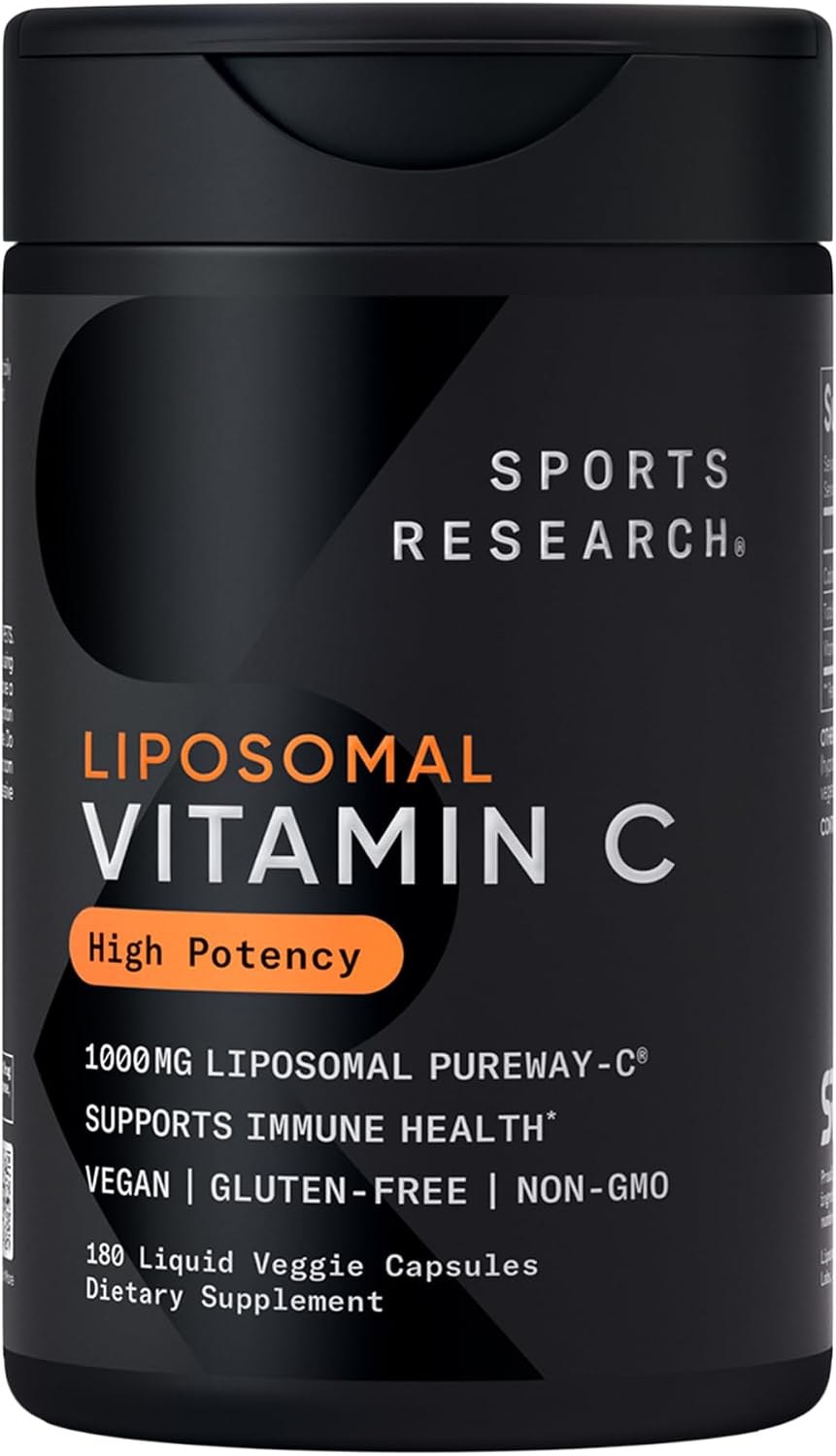
Sports Research Liposomal Vitamin C
Best for: The liposomal format, if you want it
The liposomal option, honestly framed. Sports Research delivers 1,000 mg in a capsule "liposomal" format (with sunflower lecithin and MCT), which spares you the taste and mess of liquid liposomal C and is third-party tested and vegan. If you specifically want the liposomal approach, this is a clean way to get it. The honest reality keeps it at the bottom of a strong field: it takes three capsules per dose, costs a premium, and the superior-absorption claim behind "liposomal" rests on limited independent evidence, so for most people a cheaper plain or buffered C does the same job.
- Capsule liposomal, no liquid mess
- Third-party tested, vegan
- Sunflower lecithin delivery
- Three capsules per serving
- Premium price, no USP/NSF seal
- "Liposomal" absorption edge unproven
The full lineup, side by side
Almost all deliver plenty of vitamin C, so weigh the testing seal, the form, and price more than the milligrams.
| Product | Form | Dose | Added | Third-party | ~ Price / serving |
|---|---|---|---|---|---|
| Nature Made Vitamin C | Ascorbic acid | 1,000 mg | — | USP Verified | $0.05 |
| Thorne Vitamin C | Ascorbic + flavonoids | 500 mg | Flavonoids | NSF for Sport | $0.25 |
| Garden of Life | Whole-food | 250 mg | Bioflavonoids | USDA Organic | $0.55 |
| NutriBiotic | Buffered (sodium) | 1,100 mg | — | FCC grade | $0.12 |
| Ester-C | Ester-C (calcium) | 1,000 mg | Bioflavonoids | Brand tested | $0.20 |
| NOW C-1000 | Time-release | 1,000 mg | Rose hips | GMP facility | $0.08 |
| Sports Research | Liposomal | 1,000 mg | Lecithin | 3rd-party tested | $0.45 |
Absorption saturates around 200 to 500 mg per dose; the upper limit is 2,000 mg/day. Prices are approximate and change often.
How to choose
Do not overpay for milligrams you will excrete
Above roughly 200 mg per dose, the fraction of vitamin C you absorb drops fast, and at 1,000 mg most of it ends up in your urine. A 500 mg dose, or a 1,000 mg tablet split through the day, is smarter than a single megadose, and the 2,000 mg daily upper limit is a real ceiling, not a target.
Trust seals, not slogans
A USP or NSF mark means an independent body verified what is in the bottle. "Made in a GMP facility," "brand-tested," and "pharmaceutical grade" are weaker, self-reported claims. In this lineup, only Nature Made (USP), Thorne (NSF for Sport), and Garden of Life (USDA Organic plus Non-GMO Project) carry true independent seals.
If your stomach is sensitive, go buffered or Ester-C
Buffered forms (sodium or calcium ascorbate) and Ester-C are less acidic and easier on the gut for many people. Just note the sodium or calcium they add, and do not assume "gentler" means "more effective."
Match the form to the goal, not the hype
Whole-food and liposomal cost more for benefits that are not well proven once the dose is equalized. Plain ascorbic acid is the cheap, proven baseline; pay extra only for a feature you actually want (organic, gentle, certified).
Mind the interactions and the cold myth
Vitamin C boosts iron absorption, helpful with plant iron, a caution with iron overload, as covered in our iron guide. And keep expectations realistic on illness: as our cold and flu guide explains, vitamin C does not reliably prevent colds, though it may slightly shorten one.
Frequently asked questions
Does vitamin C prevent colds?
For most people, no. Cochrane reviews found that routine vitamin C does not reduce how often the general population catches colds, though it may modestly shorten how long a cold lasts. It is not a treatment or cure for any illness. The exception is people under heavy physical stress, where some benefit on incidence has been seen.
How much vitamin C should I take?
Most adults get enough from a varied diet; the RDA is about 75 to 90 mg. If you supplement, doses near 200 to 500 mg are efficiently absorbed, while at single doses of 1,000 mg or more the absorbed fraction drops sharply and the excess is excreted. Do not exceed the 2,000 mg per day upper limit, above which stomach upset and, in susceptible people, kidney stone risk increase.
Is buffered or Ester-C really gentler on the stomach?
They are less acidic, and many people with sensitive stomachs do tolerate them better, which is a reasonable reason to choose them. But high-quality head-to-head proof that they are meaningfully superior to plain vitamin C is limited, and buffered forms add sodium or calcium. If plain ascorbic acid does not bother you, you do not need to pay more for buffered or Ester-C.
Is liposomal vitamin C worth it?
Liposomal products are marketed for higher absorption. Some small studies suggest modestly higher blood levels, but independent evidence is limited and the products cost more, often require multiple capsules, and the term liposomal is loosely used. For most people, plain or buffered vitamin C at a sensible dose is sufficient and far cheaper.
Do bioflavonoids or rose hips add much?
They are antioxidant compounds naturally found alongside vitamin C in fruit, and they are commonly added to supplements. The amounts in most products are small, however, and a clear added benefit beyond the vitamin C itself is not well established. They are a nice-to-have, not a reason to choose one product over another on their own.
Can I take vitamin C with iron?
Yes, and it can help. Vitamin C increases the absorption of non-heme (plant) iron, so taking them together is useful if you are working to correct low iron. The flip side is that people with iron-overload conditions such as hemochromatosis should be cautious, and anyone taking iron under medical guidance should follow their provider's timing advice.
The bottom line
Vitamin C is a category where the smart pick is also the cheap, verified one. For most people, Nature Made wins on a genuine USP seal at a nickel a serving; if you want a certified, sensibly dosed option, Thorne is excellent, and Garden of Life is the best food-derived choice. For sensitive stomachs, the buffered NutriBiotic powder and Ester-C are the gentle picks, NOW is unbeatable value with a time-release twist, and Sports Research covers the liposomal niche. Just remember the fundamentals: absorption saturates, so keep doses sensible, lean on real seals over slogans, and do not expect vitamin C to keep colds away.